

As a seasoned supplier of electric well pumps, I've encountered numerous inquiries from customers about the perplexing issue of their pumps making noise. It's a common concern that can signal various underlying problems, some minor and others more serious. In this blog, I'll delve into the possible reasons behind the noise and offer insights on how to address them.
Cavitation
One of the most frequent causes of noise in electric well pumps is cavitation. Cavitation occurs when the pressure in the pump drops below the vapor pressure of the water, causing the formation of vapor bubbles. These bubbles then collapse when they reach areas of higher pressure, producing a characteristic popping or crackling sound.
Cavitation can be caused by several factors, including a clogged intake screen, a damaged impeller, or a pump that is operating at too high a speed. If you suspect cavitation is the culprit, check the intake screen for debris and clean it if necessary. You may also need to inspect the impeller for damage and replace it if it's worn or broken. Additionally, make sure the pump is operating at the correct speed and that the water level in the well is sufficient.
Loose or Worn Components
Another common cause of noise in electric well pumps is loose or worn components. Over time, the vibration and movement of the pump can cause bolts, nuts, and other fasteners to loosen, leading to rattling or banging noises. Worn bearings, seals, or other moving parts can also produce noise as they begin to fail.
To address this issue, inspect the pump for loose or missing fasteners and tighten them as needed. You may also need to replace any worn or damaged components, such as bearings or seals. Regular maintenance and lubrication can help prevent these problems from occurring in the first place.
Air in the System
Air in the water system can also cause noise in electric well pumps. When air enters the pump, it can create a knocking or thumping sound as it is compressed and released. This can be caused by a leak in the suction line, a faulty check valve, or a low water level in the well.
To fix this problem, check the suction line for leaks and repair them if necessary. You may also need to replace the check valve if it's not functioning properly. Additionally, make sure the water level in the well is sufficient to prevent air from entering the system.
Electrical Issues
Electrical problems can also cause noise in electric well pumps. A faulty motor, capacitor, or other electrical component can produce a humming, buzzing, or clicking sound. This can be caused by a variety of factors, including overheating, short circuits, or loose connections.
If you suspect an electrical issue, it's important to have a qualified electrician inspect the pump. They can test the motor, capacitor, and other components to determine the cause of the problem and make the necessary repairs.
Water Hammer
Water hammer is a phenomenon that occurs when the flow of water in a pipe is suddenly stopped or changed direction. This can create a shock wave that travels through the pipe, causing a loud banging or thumping sound. Water hammer can be caused by a variety of factors, including a sudden shutoff of the pump, a faulty check valve, or a blockage in the pipe.
To prevent water hammer, you can install a water hammer arrestor in the plumbing system. This device absorbs the shock wave and prevents it from causing damage to the pipes or the pump. You may also need to adjust the settings on the pump to prevent sudden shutoffs or changes in flow.
Other Possible Causes
In addition to the above causes, there are several other factors that can contribute to noise in electric well pumps. These include:
- Excessive vibration: If the pump is not properly installed or mounted, it can vibrate excessively, causing noise. Make sure the pump is level and securely fastened to a solid surface.
- Water quality: Poor water quality, such as high levels of sediment or minerals, can cause wear and tear on the pump components, leading to noise. Consider installing a water filtration system to improve the quality of the water.
- Age and wear: Over time, the components of the pump can wear out, leading to increased noise. If your pump is old or has been in use for a long time, it may be time to consider replacing it.
Conclusion
In conclusion, there are several possible reasons why your electric well pump may be making noise. By understanding the common causes of noise and taking the appropriate steps to address them, you can ensure that your pump operates smoothly and efficiently. If you're unsure how to diagnose or fix the problem, don't hesitate to contact a professional electrician or well pump technician for assistance.
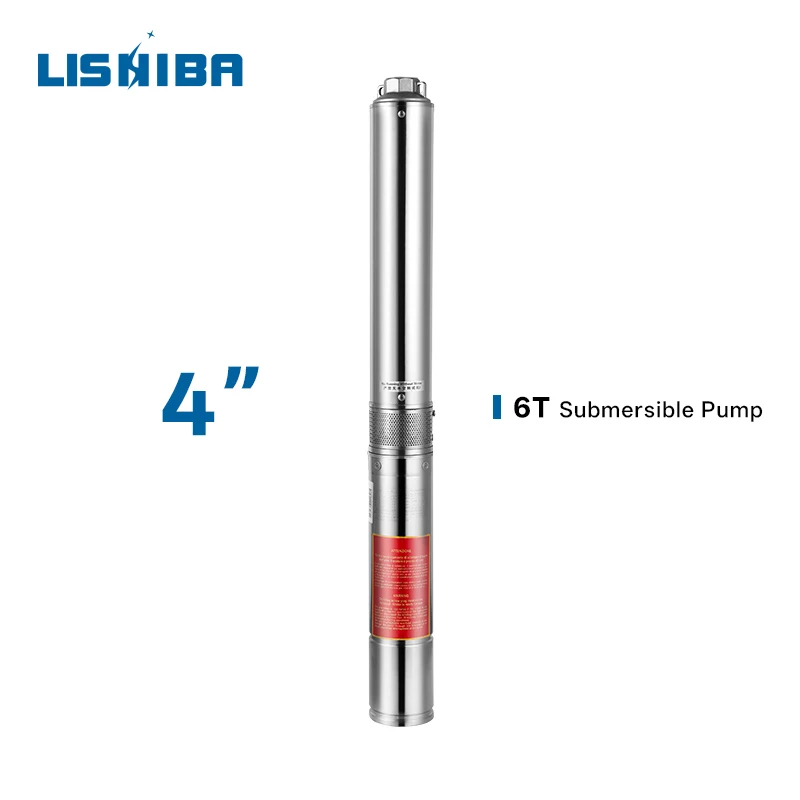

As a supplier of high-quality electric well pumps, we offer a wide range of products to meet your needs. Our Submersible Clean Water Pump is designed for efficient and reliable operation, while our High Pressure Submersible Pump is ideal for applications that require high pressure. We also offer easy-to-install pumps, such as our Easy To Install A 4 Inch Submersible Pump For Efficient Operation.
If you're interested in learning more about our products or have any questions about electric well pumps, please don't hesitate to contact us. We're here to help you find the right solution for your needs and ensure that your pump operates at its best.
References
- "Well Pump Troubleshooting Guide." Well Water Systems. Accessed [Date].
- "Cavitation in Pumps: Causes, Effects, and Solutions." Pumps & Systems. Accessed [Date].
- "How to Fix a Noisy Well Pump." The Spruce. Accessed [Date].


