

As a seasoned supplier of Solar Bore Pumps, I've witnessed the growing demand for sustainable water pumping solutions in various sectors, from agriculture to residential use. One of the most common questions I encounter is, "Which is better, a submersible or surface solar bore pump?" This blog aims to shed light on this topic, providing in - depth analysis to help you make an informed decision.
Understanding the Basics: Submersible vs. Surface Solar Bore Pumps
Submersible Solar Bore Pumps
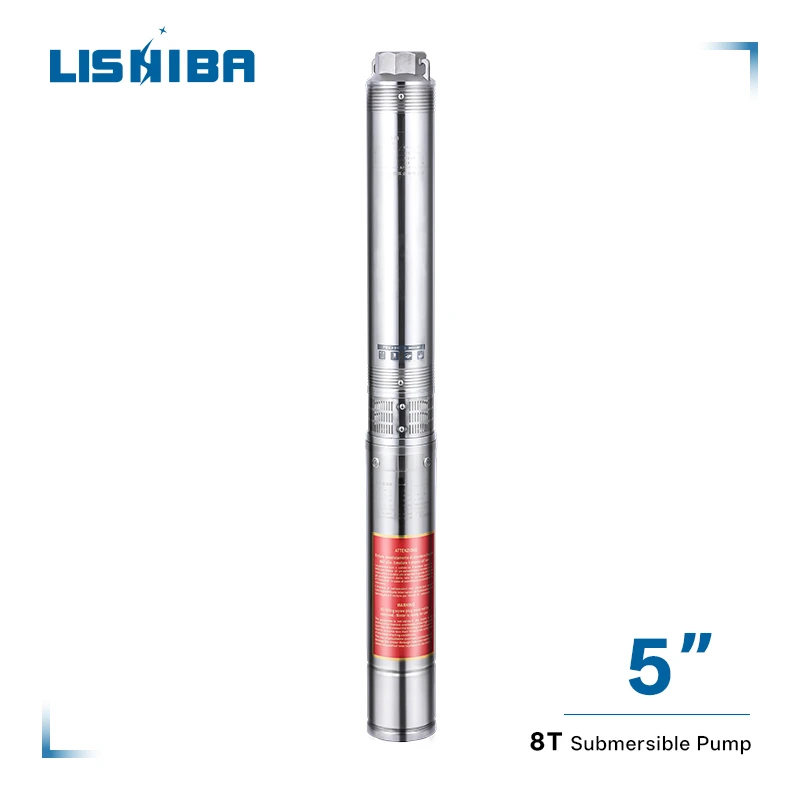
Submersible solar bore pumps are designed to be fully submerged in water, typically within a well or borehole. They work by pushing water to the surface. The Solar Bore Pump we offer is a prime example of this technology. These pumps are usually more efficient in terms of energy consumption because they don't have to lift water from a long distance vertically. The water pressure helps in the pumping process, reducing the load on the pump motor.
One of the significant advantages of submersible pumps is their quiet operation. Since they are underwater, the noise is significantly dampened. They are also less prone to environmental factors such as dust and debris, which can extend their lifespan. For instance, our LISHIBA Submersible Pump - Multi - Scenario High - Efficiency Water Pump (CE Certified) is built to withstand harsh underwater conditions and is suitable for multiple scenarios.
However, submersible pumps do have some drawbacks. Installation and maintenance can be more challenging and costly. If there is a problem with the pump, it often needs to be retrieved from the well, which can be a time - consuming and labor - intensive process.
Surface Solar Bore Pumps
Surface solar bore pumps, as the name suggests, are installed above the ground. They work by sucking water from the source, such as a well or a pond. These pumps are generally easier to install and maintain. You can easily access the pump for repairs or inspections without having to deal with the complexities of retrieving it from a well.
Surface pumps are also more flexible in terms of location. You can move them around if needed, making them a good choice for temporary water - pumping needs. They are often more affordable upfront compared to submersible pumps. Our Professional LISHIBA Submersible Pump For Agricultural/Industrial/Residential Use can also be used in surface applications in some cases, providing a versatile solution.
On the flip side, surface pumps are less energy - efficient than submersible pumps. They have to create a vacuum to lift water, which requires more energy, especially when the water source is deep. They are also more exposed to the elements, which can lead to faster wear and tear. Noise can be an issue with surface pumps, as they operate above the ground and can generate a significant amount of sound.
Factors to Consider When Choosing
Depth of the Water Source
The depth of the water source is a crucial factor. If the water is deep, say more than 10 meters, a submersible pump is usually the better choice. Submersible pumps are designed to work effectively at greater depths, as they can take advantage of the water pressure. Surface pumps have a limited suction height, typically around 7 - 8 meters. Beyond this, they struggle to lift water efficiently, and the energy consumption increases significantly.
Water Demand
The amount of water you need to pump also plays a role. For high - volume water requirements, submersible pumps are often more suitable. They can handle larger volumes of water at a higher pressure. Surface pumps may struggle to meet high - volume demands, especially if the water source is deep. In agricultural settings where large amounts of water are needed for irrigation, submersible pumps are commonly used.
Installation and Maintenance
As mentioned earlier, installation and maintenance are important considerations. If you have limited technical skills or want a pump that is easy to access for maintenance, a surface pump might be the better option. However, if you are willing to invest in professional installation and long - term reliability, a submersible pump can be a great choice. The initial cost of installation for a submersible pump may be higher, but the long - term savings in energy consumption can offset this.
Environmental Conditions
The environment in which the pump will operate is also significant. If the area is dusty or prone to debris, a submersible pump is better protected. Surface pumps are more vulnerable to damage from environmental factors. Additionally, if noise is a concern, such as in a residential area, a submersible pump's quiet operation makes it a more appealing choice.
Real - World Applications
Agricultural Use
In agriculture, water is essential for crop growth. Submersible pumps are widely used for large - scale irrigation projects. They can provide a consistent supply of water at high pressure, ensuring that crops receive adequate moisture. The energy efficiency of submersible pumps also helps in reducing operational costs over time. Surface pumps can be used for smaller farms or in situations where the water source is shallow and the water demand is relatively low.
Residential Use
For residential water supply, both types of pumps have their place. If you have a well on your property and need a reliable water source, a submersible pump can provide a constant supply of water to your home. Surface pumps can be used for filling small ponds or for temporary water - pumping needs, such as draining a flooded basement.

Industrial Use
In industrial settings, submersible pumps are often preferred for their high - volume and high - pressure capabilities. They can handle the demanding water requirements of industrial processes. Surface pumps may be used for auxiliary water - pumping tasks or in situations where portability is important.
Conclusion
In conclusion, there is no one - size - fits - all answer to whether a submersible or surface solar bore pump is better. It depends on your specific needs, the depth of the water source, water demand, installation and maintenance preferences, and environmental conditions.
If you are still unsure which type of pump is right for you, I encourage you to reach out for a consultation. We have a team of experts who can assess your requirements and recommend the most suitable Solar Bore Pump solution. Whether you need a high - efficiency submersible pump or a flexible surface pump, we have the products to meet your needs. Contact us to start a procurement discussion and find the perfect pump for your application.
References
- Smith, J. (2020). "Solar - Powered Water Pumps: A Review of Technologies and Applications." Renewable Energy Journal.
- Johnson, R. (2019). "Comparative Analysis of Submersible and Surface Pumps in Agricultural Irrigation." Journal of Agricultural Engineering.
- Brown, A. (2021). "Factors Affecting the Performance of Solar Bore Pumps." Energy Efficiency Research.


