

Hey there! As a supplier of Electric Well Pumps, I've seen my fair share of installations, both smooth and... well, not so smooth. Installing an electric well pump is no walk in the park. It's a task that demands careful attention and a good dose of safety precautions. So, let's dive right into what you should keep in mind when taking on this project.
1. Know Your Pump Inside Out
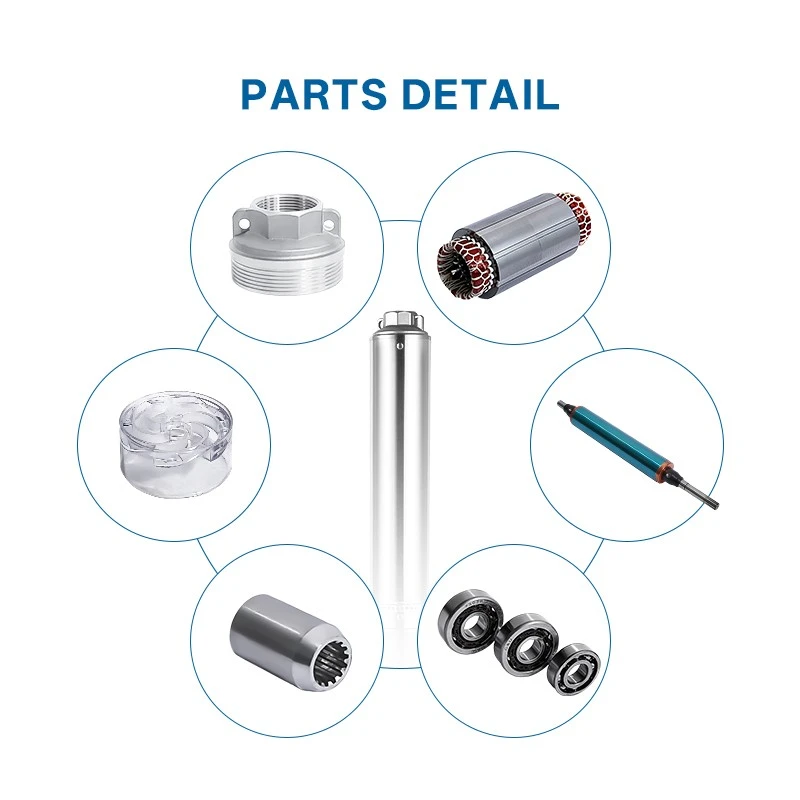
Before you even start unpacking that shiny new pump, take the time to read the manual. I know, manuals can be a snooze-fest, but they're packed with crucial info. Every pump is different, and the manufacturer's guidelines are there for a reason. Whether it's the Lishiba's 4SE Series Water Pump – Thoughtfully Engineered in China or the Versatile Submersible Water Pump For Home And Garden Use, each has its own set of requirements.
Understand the pump's specifications, like its power requirements, flow rate, and pressure ratings. This knowledge will help you ensure that your electrical system can handle the load and that the pump is suitable for your well's depth and water yield.

2. Power Down
This might seem like a no-brainer, but you'd be surprised how many people skip this step. Before you start any work on the pump or its electrical connections, turn off the power at the main breaker. This is non-negotiable. Working on live electrical wires is a surefire way to get yourself into serious trouble.
Use a voltage tester to double-check that the power is off. It's a simple tool that can save your life. Once you're sure the power is off, lock the breaker switch and tag it with a "Do Not Operate" sign. This will prevent anyone from accidentally turning the power back on while you're working.
3. Gear Up
Safety gear isn't just for show. When installing an electric well pump, you need to protect yourself. Wear insulated gloves to prevent electrical shocks. Safety glasses are a must to shield your eyes from debris, especially when you're handling tools or cutting pipes.
Sturdy work boots will protect your feet from falling objects and sharp edges. And if you're working in a confined space or a well, consider wearing a hard hat. It's better to be over-prepared than under-protected.
4. Check the Well
Your well is the heart of the system, so it needs to be in good shape. Inspect the well casing for any signs of damage, like cracks or corrosion. A damaged casing can lead to water contamination or even cause the pump to fail prematurely.
Measure the well's depth and diameter to make sure the pump fits properly. The pump should have enough clearance around it to allow for proper water flow. If the well is too shallow or too narrow, you might need to choose a different pump or make some modifications to the well.
5. Wiring Matters
Proper wiring is crucial for the safe and efficient operation of your electric well pump. Use the right gauge of wire for the pump's power requirements. Undersized wire can overheat and cause a fire, while oversized wire is a waste of money.
Make sure all electrical connections are tight and secure. Loose connections can lead to arcing, which is not only a fire hazard but can also damage the pump. Use wire nuts or terminal blocks to connect the wires, and wrap them with electrical tape for added protection.
When running the wiring, keep it away from sharp edges and moving parts. Avoid running the wire through areas where it could be damaged by water or chemicals. If possible, use conduit to protect the wire from physical damage.
6. Grounding Is Key
Grounding is an essential safety feature that protects you and your equipment from electrical faults. Make sure the pump is properly grounded according to the manufacturer's instructions. This usually involves connecting a grounding wire to the pump's frame and to a grounding rod driven into the ground.
The grounding rod should be made of a conductive material, like copper or galvanized steel, and should be at least 8 feet long. It should be driven into the ground as deep as possible to ensure a good electrical connection. A proper grounding system will help prevent electrical shocks and protect the pump from damage.
7. Pressure and Flow
Once the pump is installed, it's important to set the right pressure and flow rate. This will ensure that the pump operates efficiently and doesn't overwork itself. Use a pressure gauge to measure the pressure in the system and adjust the pressure switch accordingly.
The flow rate can be adjusted by changing the pump's speed or by installing a flow control valve. Make sure the flow rate is suitable for your needs. Too much flow can cause the pump to wear out faster, while too little flow can lead to low water pressure.
8. Test Before You Trust
Before you start using the pump regularly, it's important to test it thoroughly. Turn on the power and check for any leaks or unusual noises. Monitor the pressure and flow rate to make sure they're within the acceptable range.
Run the pump for a few hours and check the temperature of the motor. If the motor gets too hot, it could be a sign of a problem, like a clogged impeller or a faulty bearing. If you notice any issues during the test, turn off the power immediately and investigate the problem.
9. Maintenance Plan
Installing an electric well pump is just the beginning. To keep it running smoothly and safely, you need to have a regular maintenance plan. This includes checking the pump's performance, inspecting the electrical connections, and cleaning or replacing the filters.
Follow the manufacturer's recommendations for maintenance intervals and procedures. Some pumps may require annual servicing, while others may need more frequent attention. By taking good care of your pump, you can extend its lifespan and avoid costly repairs.
10. Seek Professional Help
If you're not confident in your ability to install an electric well pump safely, don't hesitate to seek professional help. A qualified electrician or well contractor has the knowledge and experience to do the job right. They can also ensure that the installation meets all local codes and regulations.
Even if you're a DIY enthusiast, it's a good idea to have a professional inspect your work before you start using the pump. They can catch any potential problems and make sure everything is safe and up to code.
In conclusion, installing an electric well pump is a serious task that requires careful planning and attention to detail. By following these safety precautions, you can ensure a successful installation and enjoy a reliable water supply for years to come.
If you're in the market for an electric well pump, we've got a great selection of Submersible Borehole Pumps and other high-quality products. We're here to help you find the right pump for your needs and provide you with all the support you need during the installation process. So, don't hesitate to reach out to us for more information or to discuss your specific requirements. Let's work together to make your well pump installation a success!
References
- National Electrical Code (NEC)
- Manufacturer's installation and operation manuals for electric well pumps


