

As a supplier of Solar Well Pump Systems, I am often asked about the materials used in these systems. Understanding the materials is crucial as they directly impact the performance, durability, and efficiency of the pump. In this blog, I will delve into the key materials used in a solar well pump system and explain why they are essential.
Solar Panels
The solar panels are the heart of a solar well pump system, as they convert sunlight into electricity. The most common materials used in solar panels are crystalline silicon, which comes in two main types: monocrystalline and polycrystalline.

Monocrystalline silicon solar panels are made from a single crystal structure. They are known for their high efficiency, typically ranging from 18% to 22%. This high efficiency means they can generate more electricity per square foot of panel area compared to other types. Monocrystalline panels also perform better in low - light conditions and have a longer lifespan, often up to 25 - 30 years. The high - purity silicon used in these panels is more expensive to produce, but the long - term benefits in terms of energy production make them a popular choice for solar well pump systems, especially in areas with limited space for panel installation.
Polycrystalline silicon solar panels, on the other hand, are made from multiple silicon crystals. They are generally less expensive to manufacture than monocrystalline panels. Their efficiency usually ranges from 15% to 18%. While they are less efficient than monocrystalline panels, they are still a viable option for solar well pump systems, especially in larger installations where cost is a major factor. Polycrystalline panels are also more resistant to high temperatures, which can be an advantage in hot climates.
In addition to silicon - based solar panels, there are also thin - film solar panels. These are made from materials such as cadmium telluride (CdTe) or copper indium gallium selenide (CIGS). Thin - film panels are less efficient than crystalline silicon panels, with efficiencies typically around 10% - 13%. However, they are lighter, more flexible, and can be produced at a lower cost. They are also better at performing in diffuse light conditions.
Pump Body and Components
The pump body and its components are responsible for moving water from the well to the surface. For solar well pump systems, the materials used in the pump body and components need to be durable, corrosion - resistant, and able to withstand the harsh conditions of being submerged in water.
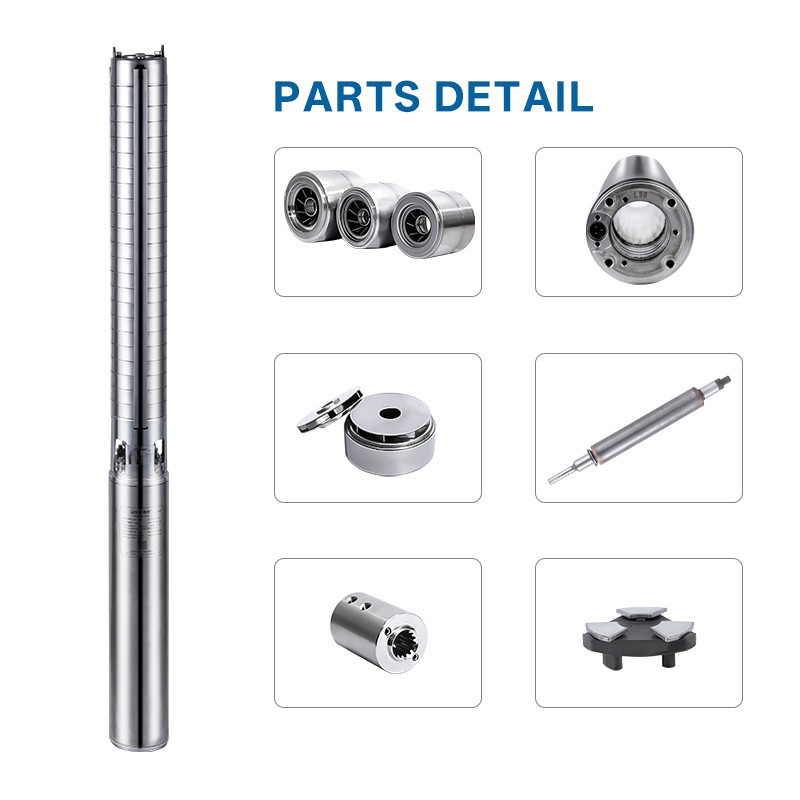
Stainless steel is a popular material for pump bodies and impellers. It is highly resistant to corrosion, which is essential when the pump is in contact with water, especially if the water contains minerals or chemicals. Stainless steel also has high strength, which allows the pump to operate under high pressure without deforming. This makes it suitable for High Head Submersible Pumps, which are designed to lift water from deep wells.
Cast iron is another material that is sometimes used for pump bodies. It is strong and can handle high pressures. However, it is more prone to corrosion compared to stainless steel. To prevent corrosion, cast - iron pump bodies are often coated with a protective layer, such as epoxy or enamel.
For the impellers, which are responsible for creating the flow of water, materials like bronze or plastic can be used. Bronze impellers are strong and have good corrosion resistance. They are suitable for applications where the water has a moderate level of abrasiveness. Plastic impellers, on the other hand, are lightweight, inexpensive, and resistant to corrosion. They are often used in smaller, less - demanding solar well pump systems or in applications where the water is relatively clean.
Electrical Components
The electrical components of a solar well pump system include the motor, controller, and wiring. These components need to be able to handle the electrical power generated by the solar panels and ensure the proper operation of the pump.
The motor is the power source that drives the pump. In solar well pump systems, DC (direct current) motors are commonly used because they can be directly powered by the DC electricity generated by the solar panels. The motor housing is usually made of aluminum or stainless steel. Aluminum is lightweight, has good heat - dissipation properties, and is relatively inexpensive. Stainless steel, as mentioned earlier, is corrosion - resistant and strong, making it suitable for harsh environments.
The controller is an important component that regulates the power from the solar panels to the motor. It ensures that the motor operates at the optimal speed and protects it from over - voltage, under - voltage, and over - current conditions. The controller circuit boards are typically made of fiberglass - reinforced epoxy resin, which provides good electrical insulation and mechanical strength.
The wiring used in the system needs to be able to carry the electrical current safely. Copper is the most common material for wiring due to its high electrical conductivity. It is also relatively resistant to corrosion. The wiring is usually insulated with materials such as PVC (polyvinyl chloride) or rubber to prevent electrical shorts and protect the wire from damage.
Pipes and Fittings
Pipes and fittings are used to transport the water from the pump to the desired location. The materials used for pipes and fittings need to be able to withstand the pressure of the water flow and be resistant to corrosion.
PVC pipes are widely used in solar well pump systems. They are lightweight, inexpensive, and easy to install. PVC pipes are also resistant to corrosion and chemical attack, making them suitable for transporting water. They come in different sizes and pressure ratings, allowing for flexibility in system design.
PE (polyethylene) pipes are another option. They are flexible, which makes them easy to install in areas with uneven terrain. PE pipes are also resistant to cracking and have good impact resistance. They are often used in underground applications.
For the fittings, such as elbows, tees, and couplings, brass or stainless steel are commonly used. Brass fittings are strong, have good corrosion resistance, and are easy to machine. Stainless steel fittings, as mentioned before, are highly corrosion - resistant and suitable for harsh environments.
Importance of Material Selection
The choice of materials in a solar well pump system is not just about cost. It is about ensuring the long - term performance and reliability of the system. Using high - quality materials can reduce the need for frequent maintenance and replacement, which can save money in the long run.
For example, using stainless steel in the pump body and impellers can prevent corrosion, which can lead to pump failure. Similarly, choosing high - efficiency solar panels can increase the amount of electricity generated, allowing the pump to operate more effectively, especially in areas with limited sunlight.
Conclusion
In conclusion, a solar well pump system is made up of various materials, each playing a crucial role in its operation. From the solar panels that generate electricity to the pipes that transport water, the materials used need to be carefully selected based on factors such as efficiency, durability, and cost.
As a supplier of Solar Well Pump System, we understand the importance of using high - quality materials. Our systems are designed to provide reliable and efficient water pumping solutions for residential and commercial applications. If you are in the market for a solar well pump system, whether it is a Residential Well Pump or a high - capacity system, we invite you to contact us for a detailed discussion about your specific needs. We can help you choose the right materials and components to ensure that your solar well pump system meets your requirements and provides long - term performance.
References
- "Solar Photovoltaic Technology: Systems Design and Installation" by Paul Gipe
- "Pump Handbook" by Igor J. Karassik et al.
- "Plastic Pipes in Water Supply and Sewerage Systems" by R. K. Rajput


