

Hey there! As a supplier of stainless steel well pumps, I've seen firsthand how these pumps can be a real game - changer for both residential and commercial water supply needs. But like any piece of equipment, they need proper maintenance to keep them running smoothly. So, let's dive into what maintenance is required for a stainless steel well pump.
Regular Inspections
First off, regular inspections are a must. You should check your well pump at least once a year, but if it's used frequently, more often might be better. Look for any signs of physical damage, like cracks in the casing or loose connections. Stainless steel is pretty durable, but it's not invincible. Over time, vibrations and water pressure can cause parts to loosen up.
When you're inspecting, pay close attention to the electrical connections. Loose or corroded wires can lead to all sorts of problems, from poor performance to even a fire hazard. Make sure all the wires are securely fastened and that there's no sign of rust or corrosion. If you do find any issues, it's best to call in a professional to handle the repairs.
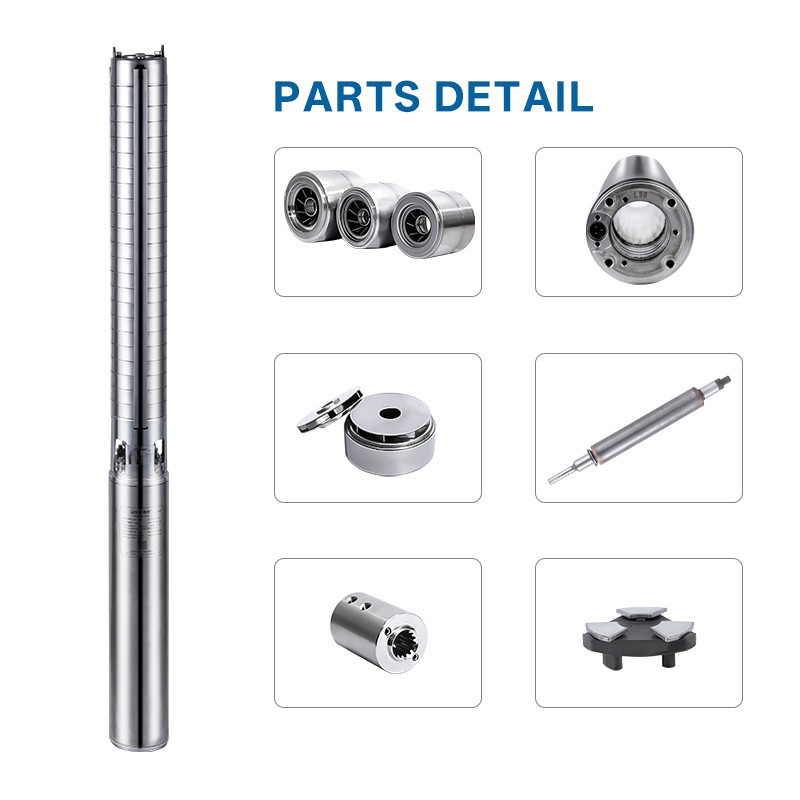
Another thing to check during inspections is the pump's impeller. The impeller is responsible for moving water through the pump, and if it gets clogged with debris or damaged, the pump won't work as efficiently. You can usually access the impeller by removing a cover on the pump. Just be careful when doing this, as the impeller can be sharp. If you see any debris, clean it out gently. If the impeller is damaged, it might need to be replaced.
Cleaning the Pump
Cleaning your stainless steel well pump is also an important part of maintenance. Over time, sediment, dirt, and other debris can build up inside the pump, which can reduce its efficiency and even cause damage. You can clean the pump by flushing it with clean water.
To do this, first, turn off the power to the pump to avoid any electrical accidents. Then, disconnect the pump from the water supply and use a garden hose to flush clean water through the pump. Make sure to flush it thoroughly, getting rid of as much debris as possible. You might need to do this a few times to get it really clean.
If there's a lot of stubborn debris, you can use a mild cleaning solution. Just make sure it's safe for stainless steel. Avoid using abrasive cleaners or tools, as they can scratch the surface of the pump and make it more prone to corrosion.

Lubrication
Some parts of the well pump might need lubrication to keep them working properly. Check the manufacturer's instructions to see which parts need lubrication and what type of lubricant to use. Usually, the bearings are the parts that need lubrication.
When lubricating, use the right amount. Too little lubrication won't do the job, but too much can attract dirt and debris, which can cause more problems. Apply the lubricant carefully, following the manufacturer's guidelines.
Monitoring the Water Quality
The quality of the water your well pump is pumping can have a big impact on its lifespan. If the water is high in minerals, like calcium and magnesium, it can cause scale buildup inside the pump. This can reduce the pump's efficiency and eventually lead to damage.
You can test the water quality regularly to see if there are any issues. There are water testing kits available that you can use at home. If you find that the water has a high mineral content, you might need to install a water softener. A water softener can remove the minerals from the water before it enters the pump, which can help extend the pump's life.
Checking the Pressure
The pressure in your well pump system is another important factor to monitor. If the pressure is too high or too low, it can put extra stress on the pump and cause it to wear out faster. You can use a pressure gauge to check the pressure.
Most well pump systems have a pressure switch that controls the on - off cycle of the pump based on the pressure. Make sure the pressure switch is working properly. If the pressure is consistently outside the normal range, there might be a problem with the pressure switch or another part of the system. Again, it's a good idea to call in a professional to diagnose and fix the issue.
Replacing Worn - Out Parts
Over time, some parts of the well pump will wear out and need to be replaced. The most common parts that need replacement are the seals, gaskets, and the motor. If you notice any leaks around the pump, it could be a sign that the seals or gaskets are worn out.
When replacing parts, make sure to use high - quality replacement parts that are compatible with your pump. Using cheap or incompatible parts can lead to more problems down the road. You can usually find replacement parts from the pump manufacturer or from a reputable supplier.
Benefits of Proper Maintenance
Proper maintenance of your stainless steel well pump has a lot of benefits. First of all, it can extend the lifespan of the pump. A well - maintained pump can last for many years, which means you won't have to replace it as often. This can save you a lot of money in the long run.
Secondly, proper maintenance can improve the pump's efficiency. A clean and well - lubricated pump will use less energy to pump water, which can lower your energy bills. It also means that the pump will be able to provide a consistent water supply, which is important for both residential and commercial use.
Our Product Range
As a supplier, we offer a wide range of stainless steel well pumps to meet different needs. We have Solar Well Pump System, which are a great option for those looking for an eco - friendly and cost - effective way to pump water. Our Stainless Submersible Pump are designed to be durable and efficient, and they can be used in a variety of applications. And for residential use, we have Residential Well Pump that are reliable and easy to maintain.
Contact Us for Purchase
If you're in the market for a stainless steel well pump or need more information about maintenance, don't hesitate to reach out. We're here to help you find the right pump for your needs and to provide you with all the support you need to keep it running smoothly. Whether you're a homeowner looking for a reliable water supply or a business owner with specific pumping requirements, we've got you covered.
References
- "Well Pump Maintenance Guide" - General well pump maintenance information.
- Manufacturer's manuals for stainless steel well pumps.


