

As a seasoned supplier of Solar Bore Pumps, I've witnessed firsthand the pivotal role water quality plays in the performance and longevity of these essential devices. Solar bore pumps are a sustainable and efficient solution for extracting water from underground sources, whether for agricultural irrigation, industrial use, or residential water supply. However, to ensure optimal operation and avoid premature wear and tear, it's crucial to understand the water quality requirements that these pumps demand.
The Basics of Water Quality
Water quality encompasses a wide range of physical, chemical, and biological characteristics that can significantly impact the performance of a solar bore pump. These characteristics include the presence of suspended solids, dissolved minerals, pH levels, and the presence of microorganisms. Each of these factors can affect the pump in different ways, and understanding their implications is essential for proper pump selection and maintenance.
Suspended Solids
Suspended solids are particles that are suspended in water and can include sand, silt, clay, and organic matter. These particles can cause significant damage to the pump's components, such as the impeller, bearings, and seals. When suspended solids enter the pump, they can abrade the surfaces of these components, leading to increased friction, reduced efficiency, and ultimately, premature failure.
To prevent damage from suspended solids, it's important to install appropriate filtration systems upstream of the pump. These filtration systems can remove a significant portion of the suspended solids, protecting the pump from wear and tear. The type and size of the filtration system will depend on the concentration and size of the suspended solids in the water. For example, if the water contains a high concentration of sand, a sand separator or a multi-media filter may be required.
Dissolved Minerals
Dissolved minerals are substances that are dissolved in water and can include calcium, magnesium, iron, and manganese. These minerals can cause scaling and corrosion in the pump's components, reducing their efficiency and lifespan. Scaling occurs when the dissolved minerals precipitate out of the water and form a hard, crusty layer on the surfaces of the pump's components. This layer can restrict the flow of water through the pump, increasing energy consumption and reducing the pump's performance.
Corrosion, on the other hand, occurs when the dissolved minerals react with the metal components of the pump, causing them to deteriorate over time. This can lead to leaks, reduced efficiency, and ultimately, pump failure. To prevent scaling and corrosion, it's important to monitor the water's mineral content and take appropriate measures to control it. This may include installing water softeners, chemical treatment systems, or using pumps made from corrosion-resistant materials.
pH Levels
The pH level of the water is a measure of its acidity or alkalinity. A pH level of 7 is considered neutral, while a pH level below 7 is acidic and a pH level above 7 is alkaline. The pH level of the water can have a significant impact on the pump's performance and lifespan. Acidic water can cause corrosion in the pump's components, while alkaline water can cause scaling.
To ensure optimal pump performance, it's important to maintain the water's pH level within the recommended range for the pump. This may require the use of pH adjustment chemicals or the installation of a pH control system. The recommended pH range for most solar bore pumps is between 6.5 and 8.5.
Microorganisms
Microorganisms, such as bacteria, viruses, and algae, can also cause problems in the pump's components. These microorganisms can form biofilms on the surfaces of the pump's components, reducing their efficiency and increasing the risk of corrosion. Biofilms are slimy layers of microorganisms that adhere to the surfaces of the pump's components, creating a favorable environment for the growth of more microorganisms.
To prevent the growth of microorganisms, it's important to maintain proper water treatment and disinfection practices. This may include the use of chlorine, ozone, or other disinfectants to kill the microorganisms. It's also important to regularly clean and maintain the pump's components to remove any biofilms that may have formed.
Specific Water Quality Requirements for Solar Bore Pumps
The specific water quality requirements for solar bore pumps will depend on the type and design of the pump, as well as the intended application. However, there are some general guidelines that can be followed to ensure optimal pump performance and longevity.
Flow Rate and Pressure
The flow rate and pressure requirements of the pump will depend on the specific application. For example, if the pump is being used for agricultural irrigation, the flow rate and pressure requirements will depend on the size of the irrigation system, the type of crops being irrigated, and the soil conditions. It's important to select a pump that can provide the required flow rate and pressure at the specified water quality conditions.

Temperature
The temperature of the water can also affect the pump's performance. Most solar bore pumps are designed to operate within a specific temperature range, typically between 4°C and 40°C. If the water temperature exceeds this range, it can cause the pump's components to expand or contract, leading to increased friction, reduced efficiency, and ultimately, premature failure.
Chemical Compatibility
The water may contain a variety of chemicals, such as pesticides, fertilizers, and detergents. It's important to ensure that the pump's components are compatible with these chemicals to prevent corrosion and damage. Some chemicals can react with the metal components of the pump, causing them to deteriorate over time. Therefore, it's important to select a pump that is made from materials that are resistant to the chemicals in the water.
Our Product Range and Water Quality Considerations
At our company, we offer a wide range of solar bore pumps that are designed to meet the diverse needs of our customers. Our pumps are available in different sizes, flow rates, and pressure ratings to ensure that we can provide the right solution for every application.
Submersible Irrigation Pump
Our Submersible Irrigation Pump is specifically designed for agricultural irrigation applications. This pump is capable of providing high flow rates and pressures, making it suitable for large-scale irrigation systems. It is also equipped with a high-quality impeller and bearings, which are designed to withstand the abrasive effects of suspended solids in the water.
Professional LISHIBA Submersible Pump For Agricultural/Industrial/Residential Use
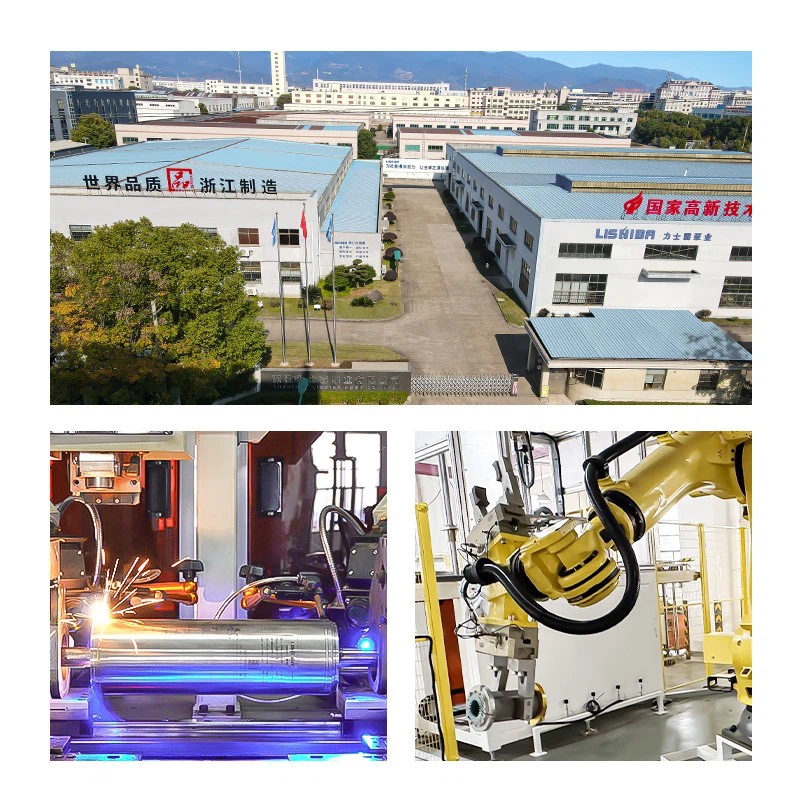
Our Professional LISHIBA Submersible Pump For Agricultural/Industrial/Residential Use is a versatile pump that can be used in a variety of applications, including agricultural irrigation, industrial water supply, and residential water systems. This pump is designed to be highly efficient and reliable, even in harsh water quality conditions. It is equipped with a corrosion-resistant casing and impeller, which can withstand the effects of dissolved minerals and chemicals in the water.
300 ft Deep Well Pump
Our 300 ft Deep Well Pump is specifically designed for deep well applications. This pump is capable of pumping water from depths of up to 300 feet, making it suitable for use in areas where the water table is deep. It is equipped with a high-powered motor and a durable impeller, which can provide the required flow rate and pressure at the specified water quality conditions.
Contact Us for More Information
If you're in the market for a solar bore pump, we invite you to contact us to discuss your specific needs and requirements. Our team of experts can help you select the right pump for your application, taking into account the water quality conditions and other factors. We can also provide you with detailed information about our products, including their features, specifications, and performance.
Whether you're a farmer looking to irrigate your crops, an industrial user in need of a reliable water supply, or a homeowner looking for a sustainable solution for your water needs, we have the expertise and the products to meet your requirements. Contact us today to start the conversation and take the first step towards a more efficient and sustainable water pumping solution.
References
- ASABE Standards. (2018). Agricultural Irrigation Systems. American Society of Agricultural and Biological Engineers.
- EPA. (2021). Drinking Water Standards and Regulations. United States Environmental Protection Agency.
- ISO 9906:2012. (2012). Rotodynamic pumps - Hydraulic performance acceptance tests - Grades 1 and 2. International Organization for Standardization.


