

Hey there! As a supplier of borehole solar water pumps, I often get asked about the installation height of these pumps relative to the water level. It's a crucial topic that can significantly impact the performance and efficiency of your water pumping system. So, let's dive right in and explore this subject in detail.
Understanding the Basics
First off, let's talk about why the installation height matters. The height at which you place your borehole solar water pump in relation to the water level can affect how well it works. If it's too high, the pump might struggle to draw water, leading to reduced flow rates and even potential damage to the pump over time. On the other hand, if it's too low, it could be at risk of getting clogged with sediment or other debris at the bottom of the borehole.
Factors Affecting Installation Height
There are several factors to consider when determining the right installation height for your borehole solar water pump.
Water Table Fluctuations
The water table in a borehole can change throughout the year, depending on factors like rainfall, groundwater usage, and seasonal variations. You need to account for these fluctuations when deciding where to install the pump. For example, during the dry season, the water level might drop significantly. So, you should install the pump at a height that ensures it can still access water even during these low - water periods.

Pump Suction Capability
Every pump has a specific suction limit. This is the maximum height it can lift water from the water level to the pump inlet. Most submersible pumps are designed to be placed below the water level to avoid suction issues. However, if you're using a surface pump, you need to make sure the vertical distance between the water level and the pump is within its suction capabilities.
Borehole Conditions
The condition of the borehole also plays a role. If the borehole has a lot of sediment or debris at the bottom, you'll want to install the pump a bit higher to prevent clogging. Additionally, the diameter and depth of the borehole can affect the water flow and pressure, which in turn can influence the ideal installation height.
Ideal Installation Heights
Submersible Pumps
Submersible pumps are the most common type used in boreholes. These pumps are designed to be submerged in water, and they work by pushing water up rather than pulling it. For submersible pumps, it's generally recommended to install them at least 1 - 2 meters above the bottom of the borehole. This helps prevent the pump from sucking in sediment and other debris.
However, you also need to ensure that the pump remains submerged even during the lowest water levels. A good rule of thumb is to place the pump at a depth where it will be at least 1 - 2 meters below the lowest expected water level. This ensures that the pump has a sufficient supply of water and can operate efficiently.
Surface Pumps
Surface pumps are installed above the ground and rely on suction to draw water from the borehole. The installation height of a surface pump is more critical because of its limited suction capabilities. Most surface pumps have a maximum suction lift of around 7 - 8 meters. So, the water level in the borehole should be within this range of the pump inlet.
It's important to note that the actual suction lift can be affected by factors like pipe friction and the type of fluid being pumped. So, it's always a good idea to consult the pump manufacturer's specifications to determine the exact suction limit for your pump.
Installation Tips
When installing your borehole solar water pump, here are some tips to keep in mind:
- Use the Right Tools: Make sure you have all the necessary tools for the installation, including wrenches, pipe cutters, and sealants.
- Follow the Manufacturer's Instructions: Every pump is different, so it's crucial to follow the manufacturer's installation instructions carefully. This will ensure that the pump is installed correctly and operates safely.
- Test the System: Once the pump is installed, test the system to make sure it's working properly. Check for any leaks, unusual noises, or low water flow.
Our Product Recommendations
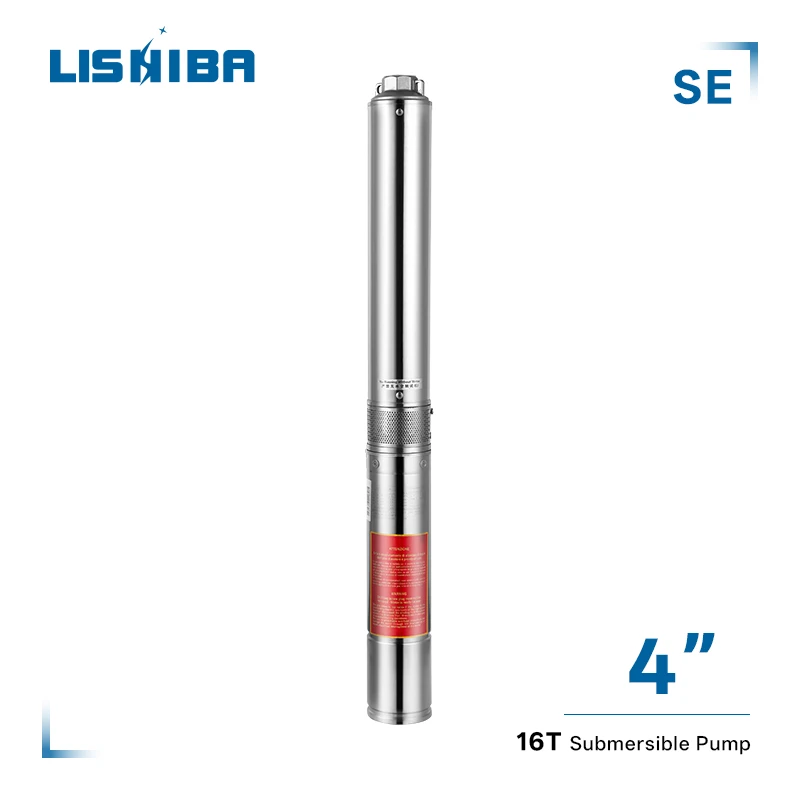
As a borehole solar water pump supplier, we offer a range of high - quality pumps that are easy to install and operate efficiently. For example, our Easy To Install A 4 Inch Submersible Pump For Efficient Operatio is a great choice for boreholes. It's designed to be installed with minimal hassle and can provide a reliable water supply.
Another great option is our Professional 4SE Water Pump By LISHIBA – China Reliable Supplier. This pump is known for its durability and high efficiency. It's made in China by a reliable supplier and is suitable for a variety of borehole applications.
And if you're looking for a high - efficiency pump, our LISHIBA 4SE High - Efficiency Water Pump – Durable & Made in China is the way to go. It's designed to save energy and provide a consistent water flow, making it ideal for long - term use.
Contact Us for Purchasing
If you're interested in purchasing a borehole solar water pump or have any questions about installation heights or our products, don't hesitate to reach out. We're here to help you find the right pump for your needs and ensure a successful installation. Whether you're a farmer looking to irrigate your fields, a homeowner in need of a reliable water supply, or a business owner with specific water pumping requirements, we have the solutions for you.
References
- Pump Manufacturer Manuals
- Industry Standards for Borehole Pump Installations
- Research on Groundwater and Borehole Hydrology


