

As a supplier of submersible borehole pumps, I've seen firsthand how crucial these pumps are for various water - related applications. One of the most important yet often overlooked components of these pumps is the seal. So, what's the function of the seal in submersible borehole pumps? Let's dive in!
Keeping the Water Out
The primary function of the seal in a submersible borehole pump is to prevent water from entering the motor. Submersible pumps are, as the name suggests, designed to operate underwater. If water gets into the motor, it can cause a short - circuit, damage the electrical components, and ultimately lead to pump failure. The seal acts as a barrier, keeping the water where it belongs - outside the motor.
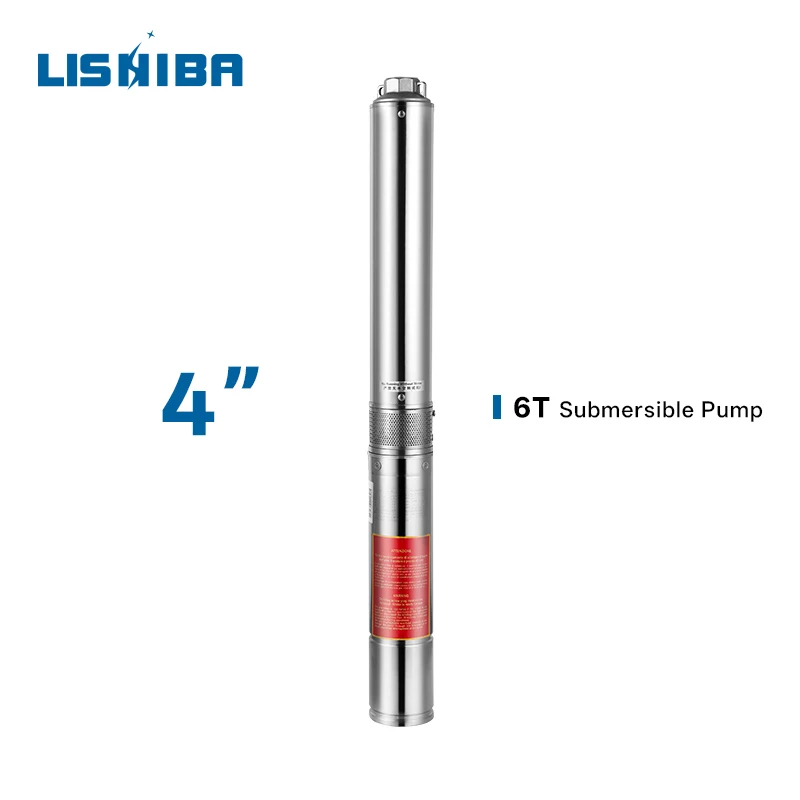
Imagine your 4 Inch Submersible Pump working deep in a borehole. The water pressure down there can be quite high. Without a proper seal, the water would seep into the motor housing, ruining the delicate electrical parts. It's like having a waterproof jacket in the rain; the jacket keeps you dry, and the seal keeps the motor dry.

Protecting Against Contaminants
It's not just clean water that the seal has to keep out. Borehole water can contain all sorts of contaminants like sand, silt, and chemicals. These contaminants can be extremely abrasive and corrosive. If they enter the motor, they can wear down the internal components, reduce the pump's efficiency, and shorten its lifespan.
The seal acts as a shield, protecting the motor from these harmful substances. For instance, in an area where the borehole water has a high sand content, a well - sealed High Pressure Submersible Pump can keep running smoothly for a long time. The seal prevents the sand from getting into the motor and causing damage to the bearings or other moving parts.
Maintaining Pressure
Another important function of the seal is to maintain the pressure within the pump. Submersible borehole pumps work by creating a pressure difference to move water from the borehole to the surface. The seal helps to contain this pressure, ensuring that the pump operates efficiently.
If the seal is damaged or worn out, the pressure can leak, and the pump will have to work harder to achieve the same flow rate. This not only reduces the pump's efficiency but also increases energy consumption. A good seal in a Home Efficient Use Of High - Quality Raw Materials Made Of Deep Well Submersible Pump helps to keep the pressure stable, allowing the pump to work at its best.
Types of Seals and Their Functions
There are different types of seals used in submersible borehole pumps, each with its own specific function.
Mechanical Seals
Mechanical seals are one of the most common types of seals in submersible pumps. They consist of two flat surfaces that are pressed together to create a seal. One surface is stationary, and the other rotates with the pump shaft. The mechanical seal is very effective at preventing water and contaminants from entering the motor. It can handle high pressures and is suitable for a wide range of applications.
Lip Seals
Lip seals are another type of seal. They have a flexible lip that presses against the shaft to create a seal. Lip seals are often used in combination with other seals to provide additional protection. They are good at preventing the leakage of lubricants and can also help to keep out dust and dirt.
O - Rings
O - rings are simple but effective seals. They are circular rubber rings that are placed in a groove to create a seal between two parts. O - rings are commonly used in areas where there is a need for a tight seal, such as around the motor housing or the pump casing.
The Importance of Seal Quality
The quality of the seal is crucial for the performance and lifespan of the submersible borehole pump. A high - quality seal will be more durable, resistant to wear and tear, and better able to withstand the harsh conditions in a borehole.
When choosing a submersible pump, it's important to look for pumps that use high - quality seals. At our company, we only use the best seals in our pumps. We understand that a good seal is the key to a reliable and long - lasting pump.
Maintenance of Seals
Proper maintenance of the seals is also essential. Over time, seals can wear out due to normal use, high pressure, or exposure to contaminants. Regular inspection of the seals can help to detect any signs of wear or damage early on.
If a seal is damaged, it should be replaced immediately. Ignoring a damaged seal can lead to more serious problems, such as motor failure. We recommend following the manufacturer's maintenance guidelines to ensure that the seals in your pump are in good condition.
Conclusion
In conclusion, the seal in a submersible borehole pump plays a vital role. It keeps water and contaminants out of the motor, maintains pressure, and helps the pump to operate efficiently. Whether you're using a 4 Inch Submersible Pump for a small household or a High Pressure Submersible Pump for an industrial application, a good seal is essential.
If you're in the market for a submersible borehole pump or need to replace an existing one, we're here to help. We offer a wide range of high - quality pumps with top - notch seals. Contact us today to discuss your requirements and start a procurement negotiation. We're confident that we can provide you with the perfect pump for your needs.
References
- Pump Handbook, Third Edition by Igor J. Karassik et al.
- Submersible Pump Technology: Design, Application, and Maintenance by various industry experts.


