

Hey there! As a supplier of Underground Well Pumps, I often get asked about the nitty - gritty details of these systems. One question that pops up a lot is: “What is the function of a check valve in an underground well pump system?” Well, let's dive right in and break it down.
The Basics of an Underground Well Pump System
First off, for those who aren't super familiar, an underground well pump system is used to bring water from underground sources, like wells, up to the surface for various uses, such as in homes for drinking, washing, or in agricultural settings for irrigation. It's a pretty crucial piece of equipment, and each part plays a vital role in making sure it works efficiently.
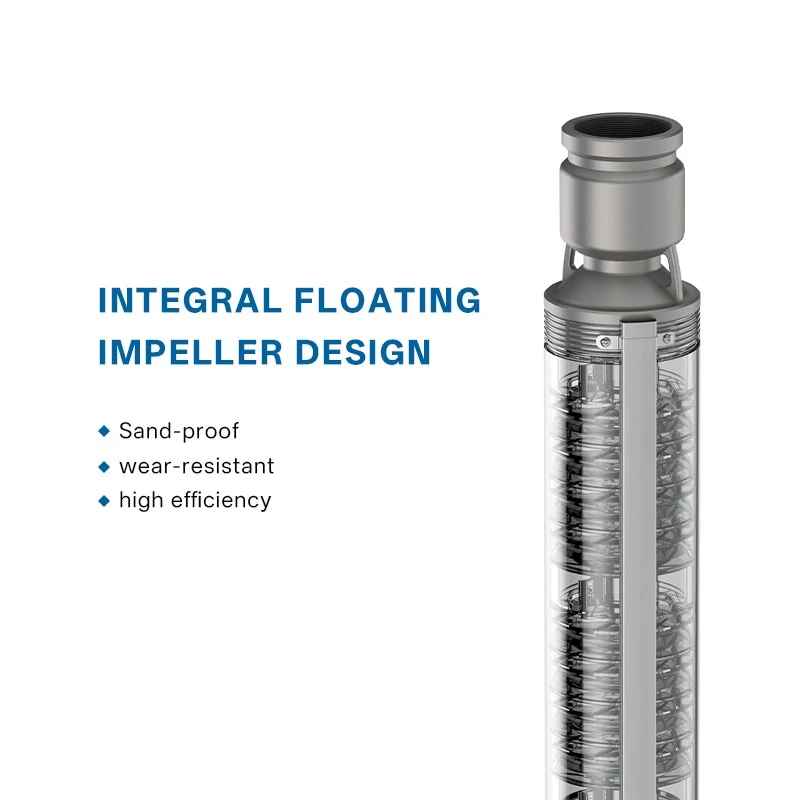
Our Underground Well Pump is designed to handle different water levels and flow rates, providing a reliable water supply. It's built tough to withstand the harsh underground environment and keep pumping water consistently.
What is a Check Valve?
A check valve is a simple yet super important device in the well pump system. It's basically a one - way gate for water. It allows water to flow in only one direction and prevents it from flowing back. Think of it like a door that only opens one way. When the pump is working, water can push through the valve and move up the pipes towards the surface. But when the pump stops, the valve closes, and water can't go back down into the well.
The Key Functions of a Check Valve
Preventing Backflow
One of the main functions of a check valve is to prevent backflow. When the pump shuts off, without a check valve, the water in the pipes would start to flow back down into the well due to gravity. This can cause a few problems. For starters, it can put extra stress on the pump. Every time the water flows back, it hits the pump blades in the wrong direction, which can wear them out faster. Over time, this can lead to pump failure and costly repairs.
Moreover, backflow can also cause water hammer. Water hammer is a loud banging noise that happens when the flow of water suddenly stops or changes direction. It's like a shockwave in the pipes. This can damage the pipes themselves, leading to leaks or even bursts. With a check valve in place, it stops the water from flowing back, reducing the risk of water hammer and protecting both the pump and the pipes.
Maintaining Prime
Another important function is maintaining prime. Prime refers to the presence of water in the pump and the suction pipe. For a pump to work effectively, it needs to be filled with water. If the water drains out of the pump and pipes due to backflow, the pump loses its prime. When this happens, the pump has to work harder to re - prime itself before it can start pumping water again. This wastes energy and can also cause the pump to overheat.
A check valve keeps the water in the pipes and the pump, ensuring that the pump is always primed. This means that when you turn on the pump, it can start working right away without any delay, saving energy and reducing wear and tear on the pump.
Pressure Regulation
Check valves also help with pressure regulation in the system. When the pump is running, it creates pressure to push the water up the pipes. The check valve helps maintain this pressure by preventing the water from flowing back and equalizing the pressure. This consistent pressure is important for proper water distribution. For example, in a home water system, it ensures that you get a steady flow of water at a reasonable pressure when you turn on the faucet.
Our LISHIBA Pumps and Check Valves
We offer high - quality pumps like the 6SJ Best - Selling Water Pump By LISHIBA | Premium Quality For Diverse Applications. These pumps are designed to work seamlessly with check valves. The check valves we use are made of durable materials that can withstand the high pressures and constant water flow in the well pump system.
The LISHIBA 6SJ Series Pump – Best - Selling High - Efficiency Pump | Premium Durability For Versatile Use is known for its efficiency and reliability. The check valve in this system is carefully selected to complement the pump's performance, ensuring smooth operation and long - term durability.
Conclusion
In short, a check valve is an essential part of an underground well pump system. It prevents backflow, maintains prime, and helps with pressure regulation. Without it, the pump system would face a lot of problems, including pump damage, water hammer, and inefficient operation.
If you're in the market for a reliable underground well pump system, we've got you covered. Our pumps and check valves are designed to work together to provide a hassle - free water supply. Whether you need a pump for your home, farm, or industrial use, we can offer the right solution.

If you're interested in learning more or want to discuss your specific requirements, feel free to reach out. We're always happy to help you find the best well pump system for your needs.
References
- “Well Pump Systems 101,” Water Systems Journal.
- “The Importance of Check Valves in Fluid Systems,” Plumbing Today Magazine.


