

Hey there! I'm a supplier of stainless well pumps, and I often get asked about the flow rate of a typical stainless well pump. So, I thought I'd write this blog to break it down for you.

First off, let's understand what flow rate means. Flow rate is basically how much water a pump can move in a given amount of time. It's usually measured in gallons per minute (GPM) or liters per minute (LPM). The flow rate of a well pump is super important because it determines how fast you can get water from your well to your home or wherever you need it.
Now, when it comes to stainless well pumps, there's no one - size - fits - all answer for the flow rate. A lot of factors come into play.
Factors Affecting the Flow Rate of a Stainless Well Pump
Well Depth
The deeper your well, the more work the pump has to do to bring the water up. A pump in a shallow well might have an easier time pushing water out at a higher flow rate compared to one in a deep well. For example, if you have a well that's only 20 feet deep, a pump could potentially push out water at a relatively high flow rate. But if your well is 200 feet deep, the pump has to overcome more pressure and resistance, which can reduce the flow rate.
Pump Size and Power
The size and power of the pump matter a ton. A bigger, more powerful pump can generally move more water. We offer different sizes of [Stainless Steel Submersible Well Pump](/5 - inch - submersible - pump/stainless - well - pump/stainless - steel - submersible - well - pump.html) to meet different needs. A smaller pump might be great for a small household with low water demand, while a larger one would be better for a big property or a commercial setting.
Pipe Diameter
The diameter of the pipes that the water flows through also affects the flow rate. If the pipes are too narrow, it can create a bottleneck, and the water won't be able to flow as quickly. On the other hand, wider pipes allow for a smoother and faster flow of water. So, when installing a well pump, it's crucial to choose the right pipe diameter to ensure an optimal flow rate.
Water Demand
Your water demand plays a huge role. If you have a large family with multiple people using water at the same time for things like showers, laundry, and dishwashing, you'll need a pump with a higher flow rate. But if it's just you living in a small cottage and you only use water for basic needs, a lower flow - rate pump might be sufficient.
Typical Flow Rates
In general, for a small residential well pump, the flow rate can range from about 5 to 15 GPM. These pumps are usually suitable for a single - family home with normal water usage. They can handle things like running a couple of faucets, a toilet, and maybe a small dishwasher or washing machine.
For larger residential properties or small commercial applications, the flow rate can be anywhere from 15 to 40 GPM. These pumps can support multiple water - using appliances and fixtures simultaneously. For example, in a vacation rental with several bedrooms and bathrooms, a pump with a flow rate in this range would be ideal.
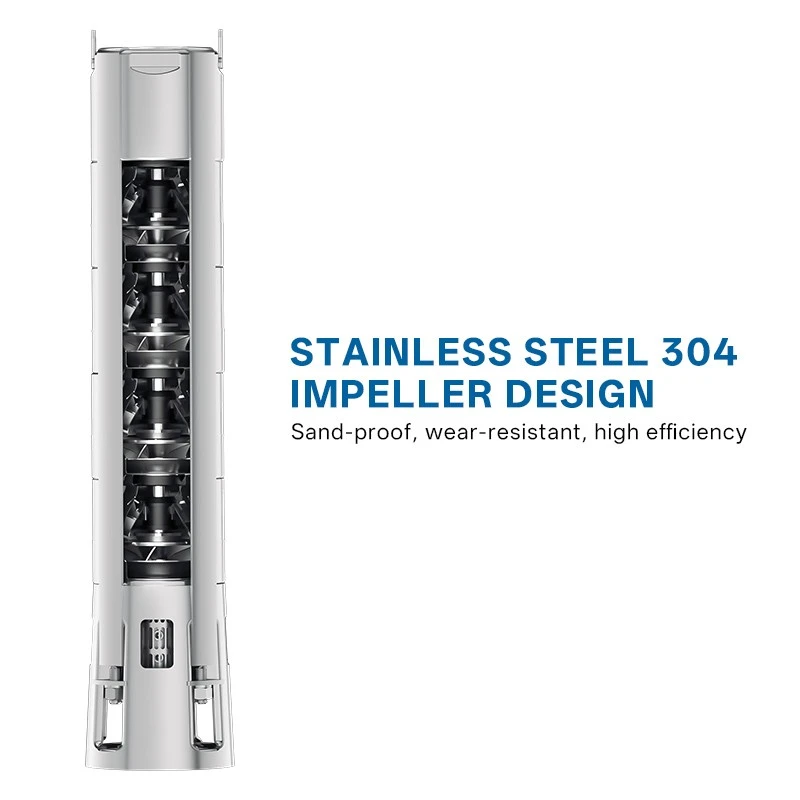
If you're looking at industrial or large - scale commercial applications, the flow rate can go even higher, sometimes exceeding 100 GPM. These pumps are used in places like factories, large farms, or big apartment complexes where there's a high demand for water.
Our Product Range
We have a great selection of pumps to meet different flow rate requirements. Our [Submersible Booster Pump](/5 - inch - submersible - pump/stainless - well - pump/submersible - booster - pump.html) is perfect for boosting the water pressure and flow rate in situations where the existing water supply is weak. It can be installed in both residential and commercial settings to ensure a steady and adequate flow of water.
Our [High Pressure Submersible Water Pump](/5 - inch - submersible - pump/stainless - well - pump/high - pressure - submersible - water - pump.html) is another excellent option. As the name suggests, it's designed to generate high pressure, which is great for pushing water up to higher floors or long distances. This pump can maintain a good flow rate even under challenging conditions.
How to Choose the Right Flow Rate
When you're trying to figure out the right flow rate for your needs, here are a few steps you can take:
- Assess Your Water Usage: Make a list of all the water - using appliances and fixtures in your home or property. Think about how often they're used and how much water they consume. For example, a showerhead might use 2 - 3 GPM, and a dishwasher could use 2 - 4 GPM.
- Consider Future Needs: If you're planning to expand your property or add more water - using appliances in the future, it's a good idea to choose a pump with a slightly higher flow rate than you currently need.
- Consult with Us: We're here to help! Our team of experts can analyze your situation and recommend the best pump with the appropriate flow rate for you.
Conclusion
So, as you can see, the flow rate of a typical stainless well pump can vary widely depending on several factors. But with our wide range of products and expert advice, you can find the perfect pump to meet your water - supply needs. Whether you need a small pump for a cozy home or a high - capacity pump for a large commercial project, we've got you covered.
If you're interested in learning more about our stainless well pumps or want to discuss your specific requirements, don't hesitate to reach out. We're always happy to have a chat and help you find the right solution. Let's work together to ensure you have a reliable and efficient water supply!
References
- "Well Pump Handbook" - A comprehensive guide on well pumps and their performance.
- "Water Supply and Distribution Systems" - A textbook that covers various aspects of water pumping and flow rates.


