

Efficiency is a big deal when it comes to pumps, and for vertical multistage pumps, it's super important. As a supplier of these pumps, I've seen firsthand how efficiency can make or break a system. Let's dive into what the efficiency of a vertical multistage pump really means and why it matters.
First off, what's efficiency? In simple terms, it's about how well a pump can turn the electrical or mechanical energy it uses into useful work, like moving water up through multiple stages. A vertical multistage pump is designed with several impellers stacked on top of each other in a vertical line. Each impeller adds more pressure to the fluid, allowing the pump to reach higher heads compared to single - stage pumps.
The efficiency of a vertical multistage pump is usually measured in terms of hydraulic efficiency, mechanical efficiency, and overall efficiency.
Hydraulic efficiency is all about how well the pump can add energy to the fluid. It takes into account things like friction losses in the pump casing and impellers, and how well the fluid flows through the pump. If the pump has a smooth - flowing design, with a properly shaped impeller and casing, it can minimize these losses and have a higher hydraulic efficiency. For example, pumps with well - designed impellers that match the flow rate and head requirements can reduce the turbulence of the fluid, which in turn lowers energy losses. The higher the hydraulic efficiency, the more effectively the pump can transfer energy to the fluid, meaning it can move more water with less wasted energy.
Mechanical efficiency, on the other hand, focuses on how well the mechanical components of the pump work together. This includes the bearings, seals, and the drive shaft. Friction in these components can cause energy losses. High - quality bearings and seals can reduce this friction. For instance, modern pumps often use advanced materials for bearings that have low friction coefficients, which helps to minimize the power required to turn the pump shaft. If the mechanical components are well - maintained and of good quality, the mechanical efficiency of the pump will be higher.
Overall efficiency is the combination of hydraulic and mechanical efficiency. It gives us a clear picture of how well the pump is performing as a whole. A pump with high overall efficiency will use less energy to do the same amount of work as a pump with lower efficiency. This not only saves on energy costs but also reduces the environmental impact.
Now, let's talk about factors that can affect the efficiency of a vertical multistage pump.
The first factor is the pump size and type. Choosing the right size of the pump is crucial. If the pump is too large for the application, it will operate at a low efficiency point. For example, if a system only needs a certain amount of water to be pumped at a specific head, but the pump is oversized, it will consume more energy than necessary. On the other hand, an undersized pump will not be able to meet the system requirements and may also operate inefficiently. And different types of vertical multistage pumps, such as Stainless Steel Centrifugal Water Pump, Vertical Booster Pump, and SS Centrifugal Pump, have different efficiency characteristics depending on their design and intended use.
Another factor is the fluid properties. The viscosity, density, and temperature of the fluid being pumped can all impact the pump's efficiency. For example, if the fluid is very viscous, it will require more energy to move through the pump. The pump may have to work harder to overcome the internal resistance of the viscous fluid, which can lead to a decrease in efficiency. Similarly, changes in fluid temperature can also affect its density, which in turn can influence the pump's performance.
The operating conditions also play a significant role. If the pump is operating at a flow rate or head that is far from its optimal design point, its efficiency will drop. Most pumps are designed to operate at a specific range of flow rates and heads, and operating outside of this range can cause problems such as cavitation. Cavitation is when vapor bubbles form in the fluid due to low pressure, and then collapse when they reach a higher - pressure area. This can damage the pump components and reduce its efficiency.
So, why is efficiency so important for vertical multistage pumps?
From a cost - saving perspective, a more efficient pump means lower energy bills. In industrial and commercial applications, where pumps are often running continuously, even a small increase in efficiency can result in significant savings over time. For example, in a large building's water supply system, a high - efficiency vertical multistage pump can save thousands of dollars in energy costs each year.
In addition to cost savings, efficiency is also important for environmental reasons. By using less energy, pumps with higher efficiency reduce the demand for electricity, which in turn reduces the carbon footprint associated with power generation. This is becoming increasingly important as more and more companies are looking to reduce their environmental impact.
As a supplier of vertical multistage pumps, I understand the importance of efficiency. That's why we offer a wide range of pumps with high - efficiency designs. Our pumps are carefully engineered to optimize the hydraulic and mechanical components, ensuring that they operate at their best. Whether you need a Stainless Steel Centrifugal Water Pump for a water treatment plant or a Vertical Booster Pump for a high - rise building, we have the right solution for you.

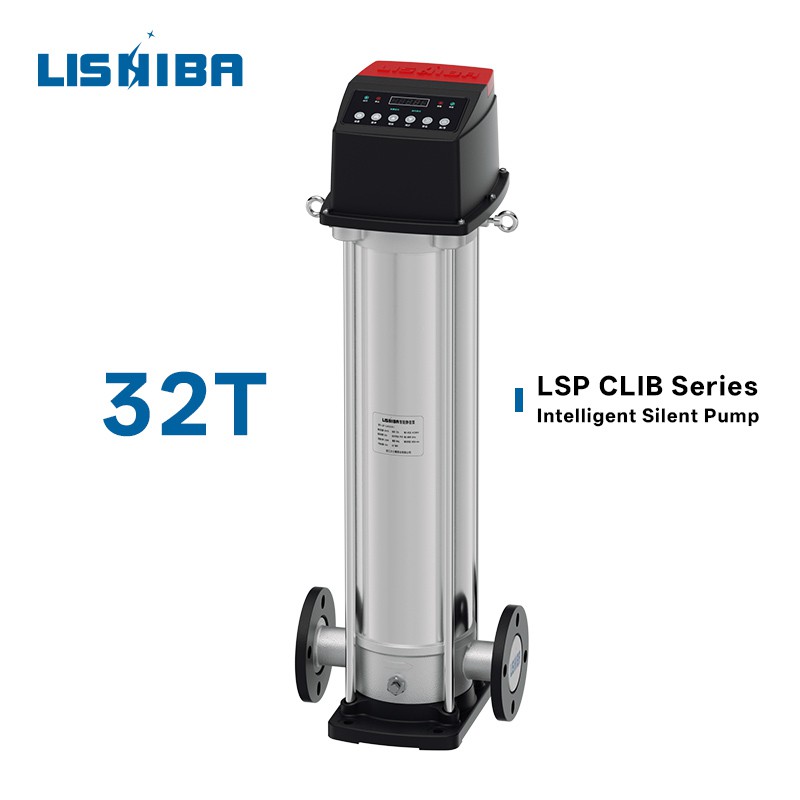
If you're in the market for a vertical multistage pump, it's essential to consider efficiency as a key factor. Don't just look at the initial purchase price; think about the long - term operating costs. A more efficient pump may cost a bit more upfront, but it will save you money in the long run.
If you have any questions about the efficiency of our vertical multistage pumps or want to discuss your specific requirements, feel free to reach out. We're here to help you find the most efficient pump solution for your needs. Let's work together to make your pumping system more efficient and cost - effective!
References
- "Pump Handbook" by Igor J. Karassik et al.
- Technical papers on pump efficiency from industry research institutions.


