

Hey there! As a supplier of SS (Stainless Steel) Centrifugal Pumps, I've been getting a lot of questions lately about the environmental impacts of these pumps. So, I thought I'd take a moment to break it down for you.
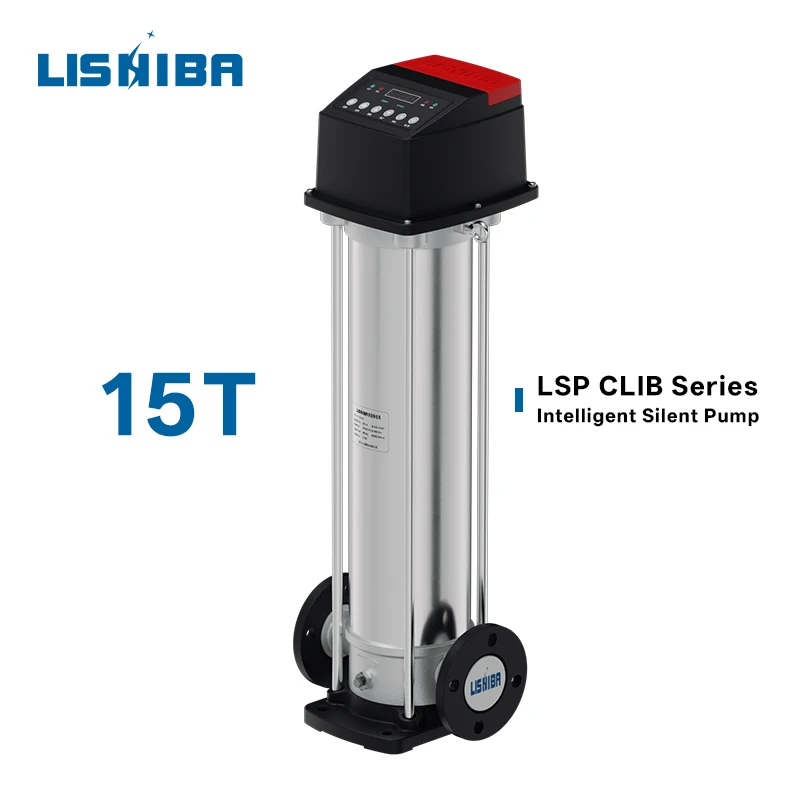
First off, let's talk about what an SS Centrifugal Pump is. It's a type of pump that uses centrifugal force to move fluids. The impeller inside the pump rotates, creating a low - pressure area at the center that sucks in the fluid and then throws it outwards at high speed. These pumps are super versatile and are used in a wide range of industries, from water treatment to chemical processing.
Energy Consumption
One of the most significant environmental impacts of an SS Centrifugal Pump is its energy consumption. These pumps are powered by electricity, and depending on their size and the application, they can use a fair amount of it. For example, in large - scale industrial processes where the pump has to move a high volume of fluid over long distances or against high pressures, the energy usage can be substantial.
However, modern SS Centrifugal Pumps are designed to be more energy - efficient. Manufacturers are constantly working on improving the design of the impellers and the overall pump structure to reduce the amount of energy needed to operate. For instance, some pumps now use variable frequency drives (VFDs). A VFD allows the pump to adjust its speed according to the actual demand. So, if the system doesn't need a full - blast flow, the pump can slow down, using less energy in the process.
If you're interested in more high - performance pumps, check out our High Pressure Centrifugal Pump. It's designed to be energy - efficient while still delivering top - notch performance.

Material Usage and Waste
The construction of SS Centrifugal Pumps involves the use of stainless steel, which is a major plus from an environmental perspective. Stainless steel is highly durable and resistant to corrosion. This means that the pumps have a long lifespan, reducing the need for frequent replacements. Fewer replacements result in less waste being sent to landfills.
On the other hand, the production of stainless steel does have an environmental footprint. It requires a significant amount of energy and resources. Mining the raw materials, such as iron ore and chromium, can cause habitat destruction and soil erosion. Also, the manufacturing process generates emissions, including greenhouse gases.
But as a supplier, we're committed to working with manufacturers who use sustainable practices in stainless steel production. They're looking into using recycled stainless steel, which reduces the demand for new raw materials and cuts down on the energy used in production.
Water Pollution
In some cases, SS Centrifugal Pumps can be involved in water pollution. If the pump is used in an industrial setting to handle chemicals or other contaminants, there's a risk of leaks or spills. For example, in a chemical plant, if the pump seals fail, the chemicals it's transporting can leak into the surrounding environment, polluting nearby water sources.
To prevent this, modern pumps are designed with high - quality seals and safety features. Regular maintenance is also crucial. By inspecting the pumps regularly, we can detect and fix any potential issues before they turn into major problems.
Noise Pollution
Another environmental impact is noise pollution. When an SS Centrifugal Pump is operating, especially at high speeds, it can generate a fair amount of noise. This can be a nuisance for workers in industrial settings and can also affect wildlife in the surrounding areas.
To address this, manufacturers are developing quieter pumps. They're using better insulation materials and improving the design of the pump housing to reduce the amount of noise that escapes. For example, some pumps are now enclosed in sound - proof cabinets, which can significantly reduce the noise level.
Impact on Aquatic Ecosystems
If the SS Centrifugal Pump is used in water - related applications, such as in a water treatment plant or for pumping water from a river or lake, it can have an impact on aquatic ecosystems. The intake of water can suck in small fish, larvae, and other organisms, which can disrupt the local ecosystem.
To minimize this impact, intake screens are often installed. These screens prevent larger organisms from being sucked into the pump. Additionally, the design of the intake system can be optimized to reduce the velocity of the water flow, making it less likely for organisms to be drawn in.
Our Sustainable Solutions
At our company, we're always looking for ways to make our SS Centrifugal Pumps more environmentally friendly. We offer a range of Stainless Steel Vertical Multistage Pump that are designed with energy efficiency and environmental protection in mind. These pumps are not only great for the environment but also offer excellent performance for your applications.
We also provide Vertical Multistage Centrifugal Pump that are built to last, reducing the need for frequent replacements and minimizing waste.
Conclusion
In conclusion, while SS Centrifugal Pumps do have some environmental impacts, there are many ways to mitigate them. From energy - efficient designs to measures to prevent pollution, the industry is moving towards more sustainable practices.
If you're in the market for an SS Centrifugal Pump and are concerned about the environmental impact, we'd love to have a chat with you. We can help you choose the right pump for your needs while also ensuring that it's as eco - friendly as possible. Whether you're in a small - scale operation or a large industrial plant, we've got the solutions for you. So, don't hesitate to reach out and start a conversation about your procurement needs.
References
- "Centrifugal Pumps: Design and Application" by Igor J. Karassik et al.
- "Handbook of Industrial Water Conservation" by Jack B. Wilf.
- Industry reports on sustainable pump manufacturing.


