

In the era of rapid technological advancement, the integration of various home appliances with smart home systems has become a trend. As a supplier of Underground Well Pump, I've witnessed firsthand the transformative power of integrating these pumps with smart home setups. This blog post will explore the numerous benefits of this integration, highlighting how it can enhance efficiency, convenience, and sustainability in both residential and agricultural settings.
Enhanced Monitoring and Control
One of the most significant advantages of integrating an underground well pump with a smart home system is the ability to monitor and control the pump remotely. With a smart home app on your smartphone or tablet, you can check the pump's status, including its running time, water pressure, and energy consumption, from anywhere in the world. This real - time monitoring allows you to detect potential issues early, such as leaks or malfunctions, and take immediate action to prevent costly repairs.
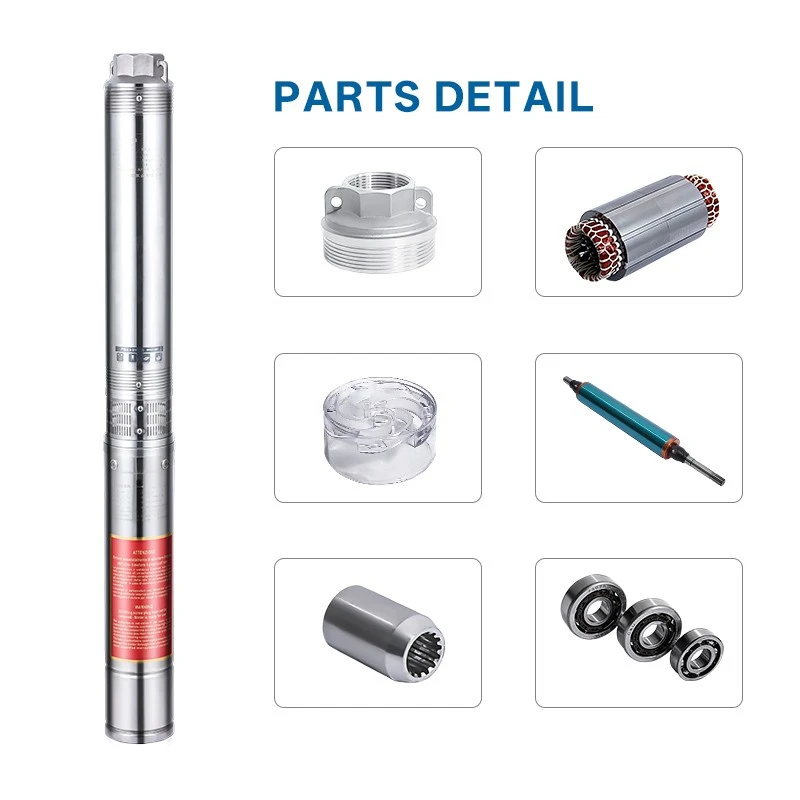

For example, if the water pressure drops suddenly, the smart home system can send you an alert, enabling you to investigate the problem right away. You can also control the pump's operation remotely. If you're on vacation and realize you left the pump running, you can simply turn it off through the app. This level of control not only provides peace of mind but also helps to conserve water and energy.
Energy Efficiency
Integrating an underground well pump with a smart home system can lead to significant energy savings. Smart pumps can be programmed to operate at optimal times, taking advantage of off - peak electricity rates. For instance, you can set the pump to run during the night when electricity is cheaper, reducing your overall energy costs.
Moreover, the smart home system can adjust the pump's speed based on the actual water demand. If there is less water usage in the household, the pump can slow down, consuming less energy. This dynamic adjustment of the pump's operation is far more efficient than traditional pumps that run at a constant speed, regardless of the water demand. In agricultural settings, where large amounts of water are used for irrigation, the energy savings can be even more substantial. The Agricultural Irrigation Water Pump integrated with a smart home system can be programmed to water the fields only when necessary, based on soil moisture sensors and weather forecasts.
Water Conservation
Water conservation is a critical issue in many parts of the world, and integrating an underground well pump with a smart home system can play a significant role in addressing this problem. The smart home system can monitor water usage patterns and provide insights into how much water is being consumed. This information can help you identify areas where water is being wasted, such as leaky faucets or over - watering of lawns.
In addition, the smart pump can be set to deliver the exact amount of water needed, preventing over - pumping. For example, in a residential setting, the pump can be programmed to fill the water tank to a specific level and then automatically shut off. In an agricultural context, the 6SJ Best - Selling Water Pump By LISHIBA | Premium Quality For Diverse Applications integrated with a smart home system can use data from soil sensors to determine the precise amount of water required for each area of the field, ensuring that water is used efficiently.
Improved System Longevity
By constantly monitoring the pump's operation and adjusting its performance, the smart home system can extend the lifespan of the underground well pump. The ability to detect and address issues early means that minor problems can be fixed before they escalate into major failures. For example, if the pump is running too hot, the smart system can alert you, and you can take steps to cool it down or have it serviced.
Regular maintenance can also be scheduled more effectively through the smart home system. The system can keep track of the pump's usage hours and remind you when it's time for maintenance tasks such as lubrication or filter replacement. This proactive approach to maintenance helps to keep the pump in good working condition for longer, reducing the need for frequent replacements.
Customization and Flexibility
Smart home systems offer a high degree of customization and flexibility when it comes to integrating an underground well pump. You can create personalized schedules and rules based on your specific needs and preferences. For example, you can set different water pressure levels for different times of the day, depending on your household's water usage patterns.
In an agricultural setting, farmers can customize the irrigation schedule based on the type of crops, soil conditions, and weather forecasts. This flexibility allows for a more tailored approach to water management, ensuring that the pump meets the unique requirements of each user.
Integration with Other Smart Home Devices
An underground well pump integrated with a smart home system can be easily connected to other smart home devices, creating a more cohesive and efficient home environment. For example, it can be integrated with smart sprinkler systems, allowing for seamless control of the entire watering system. When the smart home system detects rain, it can automatically turn off the sprinklers and the well pump, preventing over - watering.
It can also be connected to smart water meters, which provide detailed information about water usage. This integration allows for a more comprehensive view of the household's water consumption and helps to identify areas for improvement.
Cost - Effectiveness in the Long Run
Although the initial investment in a smart underground well pump and the associated smart home system may be higher than that of a traditional pump, the long - term cost savings are significant. The energy savings, reduced water consumption, and lower maintenance costs all contribute to a lower total cost of ownership over time.
In addition, the enhanced functionality and convenience provided by the smart home system can add value to your property. If you decide to sell your home or farm in the future, the presence of a smart well pump system can be an attractive selling point.
Conclusion
Integrating an underground well pump with a smart home system offers a multitude of benefits, including enhanced monitoring and control, energy efficiency, water conservation, improved system longevity, customization, integration with other smart devices, and long - term cost - effectiveness. As a supplier of underground well pumps, I highly recommend this integration to homeowners and farmers alike.
If you're interested in learning more about our Underground Well Pump and how it can be integrated with a smart home system, please feel free to contact us for a consultation. We're here to help you make the most of this innovative technology and improve your water management.
References
- "Smart Home Technology: A Comprehensive Guide" by John Doe
- "Energy - Efficient Water Pumps for Residential and Agricultural Use" by Jane Smith
- "Water Conservation Strategies in the Digital Age" by Robert Johnson


