

Hey there! As a supplier of submersible well pumps, I've seen my fair share of issues with pump vibration. It's a common problem that can lead to all sorts of headaches, from premature wear and tear on the pump components to noise pollution and even damage to the well casing. In this blog post, I'm gonna share some tips on how to reduce the vibration of a submersible well pump.
Understanding the Causes of Vibration
Before we dive into the solutions, it's important to understand what causes the vibration in the first place. There are several factors that can contribute to pump vibration, including:
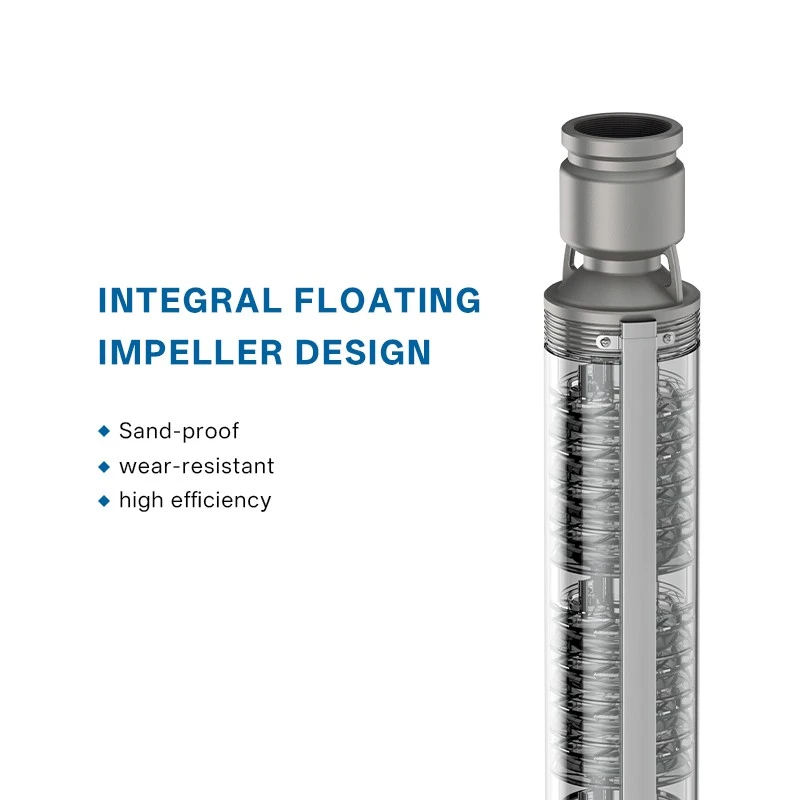
- Imbalanced impellers: If the impellers in the pump are not balanced properly, it can cause the pump to vibrate. This can happen due to manufacturing defects, wear and tear, or damage to the impellers.
- Misaligned pump and motor: If the pump and motor are not aligned correctly, it can cause the pump to vibrate. This can happen during installation or due to movement of the pump over time.
- Loose mounting: If the pump is not mounted securely, it can vibrate. This can happen if the mounting bolts are loose or if the pump is not properly supported.
- Cavitation: Cavitation occurs when the pressure in the pump drops below the vapor pressure of the liquid being pumped, causing bubbles to form. When these bubbles collapse, they can cause vibration and damage to the pump components.
- Pipe resonance: If the pipes connected to the pump are not properly supported or if they have the wrong diameter, it can cause resonance, which can lead to vibration.
Solutions to Reduce Vibration
Now that we understand the causes of vibration, let's look at some solutions to reduce it.
1. Balance the Impellers
One of the most common causes of pump vibration is imbalanced impellers. To balance the impellers, you can use a balancing machine or a simple DIY method. If you're using a balancing machine, follow the manufacturer's instructions to balance the impellers. If you're using the DIY method, you can add small weights to the impellers until they are balanced.
2. Align the Pump and Motor
Another common cause of pump vibration is misaligned pump and motor. To align the pump and motor, you can use a laser alignment tool or a simple straightedge. If you're using a laser alignment tool, follow the manufacturer's instructions to align the pump and motor. If you're using a straightedge, place it across the coupling between the pump and motor and adjust the position of the motor until the straightedge is level.
3. Tighten the Mounting Bolts
Loose mounting bolts can cause the pump to vibrate. To tighten the mounting bolts, use a torque wrench to ensure that they are tightened to the correct torque specification. Make sure to check the mounting bolts regularly to ensure that they remain tight.
4. Prevent Cavitation
Cavitation can cause vibration and damage to the pump components. To prevent cavitation, you can:
- Increase the suction pressure: You can increase the suction pressure by lowering the pump or by using a booster pump.
- Reduce the flow rate: You can reduce the flow rate by adjusting the pump speed or by using a flow control valve.
- Use a larger diameter suction pipe: You can use a larger diameter suction pipe to reduce the velocity of the liquid being pumped and prevent cavitation.
5. Support the Pipes
Pipe resonance can cause vibration. To prevent pipe resonance, you can:
- Support the pipes properly: You can use pipe hangers or brackets to support the pipes and prevent them from vibrating.
- Use the correct diameter pipes: You can use the correct diameter pipes to prevent resonance. Make sure to consult the pump manufacturer's specifications to determine the correct pipe diameter.
Choosing the Right Pump
Choosing the right pump for your application is also important to reduce vibration. At our company, we offer a wide range of submersible well pumps, including Agricultural Irrigation Water Pump, Submersible Bore Pump, and LISHIBA 6SJ Series: Top-Selling High-Quality Pump For Multiple Usage Scenarios. Our pumps are designed to be quiet and vibration-free, and they are built to last.
Conclusion
Reducing the vibration of a submersible well pump is important to ensure its longevity and performance. By understanding the causes of vibration and implementing the solutions outlined in this blog post, you can reduce the vibration of your pump and avoid costly repairs and downtime. If you have any questions or need help choosing the right pump for your application, please don't hesitate to contact us. We're here to help you find the best solution for your needs.

References
- "Pump Vibration Analysis and Troubleshooting." Pump Handbook, 4th Edition, by Igor Karassik et al.
- "Cavitation in Pumps." Chemical Engineering, May 2008, by Robert L. Daugherty.
- "Pipe Vibration Analysis and Mitigation." Pipeline Engineering Handbook, 2nd Edition, by John P. Rasmussen.


