

Hey there! As a supplier of Electric Well Pumps, I've seen firsthand how water contamination can mess up these pumps big time. In this blog, I'll share some tips on how to protect your electric well pump from water contamination.
Understanding the Risks of Water Contamination
First off, let's talk about why water contamination is such a big deal for electric well pumps. When your well water gets contaminated, it can carry all sorts of nasties like dirt, sand, chemicals, and even bacteria. These contaminants can cause a whole bunch of problems for your pump.
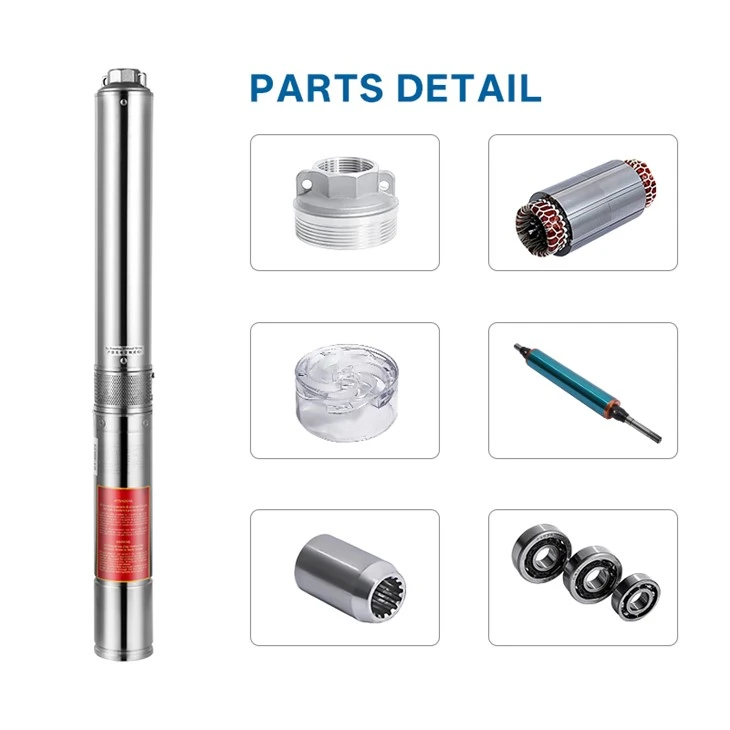
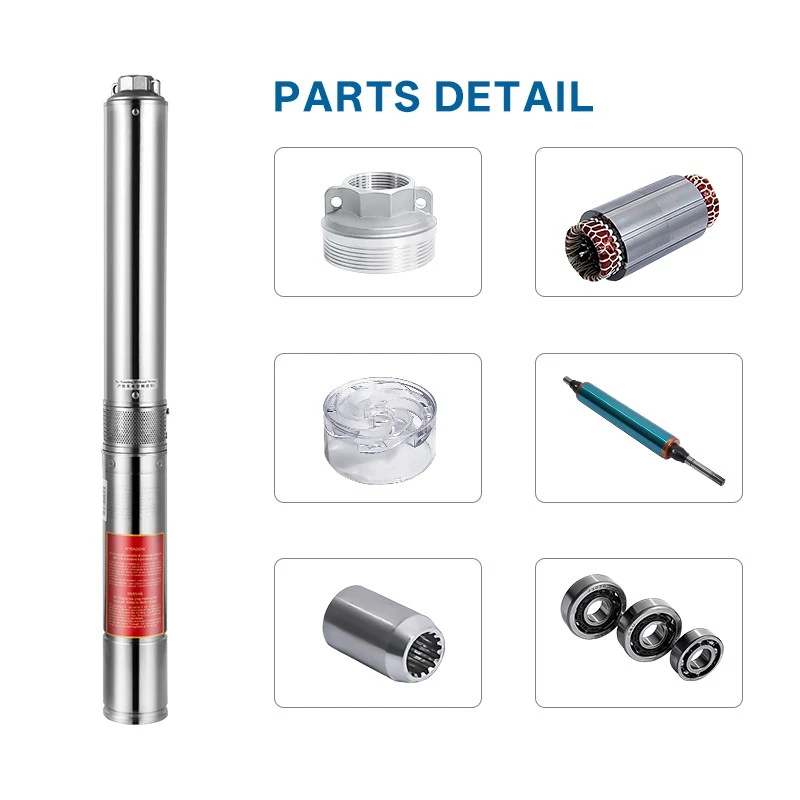
For example, dirt and sand can wear down the pump's moving parts, like the impeller and bearings. This can lead to reduced efficiency and eventually, pump failure. Chemicals in the water can corrode the pump's components, shortening its lifespan. And bacteria can clog up the pump and pipes, reducing water flow and potentially spreading diseases.
Common Sources of Water Contamination
To protect your electric well pump, you need to know where the contamination is coming from. Here are some common sources:
- Surface Runoff: Rain and snowmelt can pick up dirt, pesticides, and fertilizers from the ground and carry them into your well. This is especially a problem if your well is located near agricultural fields or areas with a lot of construction.
- Septic Systems: If your septic system is too close to your well or isn't working properly, it can leak sewage into the groundwater, contaminating your well water.
- Underground Storage Tanks: Old or leaking underground storage tanks can release chemicals like gasoline, oil, and pesticides into the groundwater.
- Mining and Industrial Activities: These activities can release heavy metals, chemicals, and other pollutants into the environment, which can then contaminate your well water.
Tips to Protect Your Electric Well Pump from Water Contamination
Now that you know the risks and sources of water contamination, here are some tips to protect your electric well pump:
-
Proper Well Construction and Maintenance
- Make sure your well is properly constructed and sealed to prevent surface water from entering. The well casing should be made of durable materials and extend at least 12 inches above the ground surface.
- Regularly inspect your well for any signs of damage or leaks. Check the well cap, casing, and seals for cracks or holes. If you notice any problems, have them repaired immediately.
- Keep the area around your well clean and free of debris. Don't store chemicals, fuel, or other contaminants near the well.
-
Install a Water Filtration System
- A good water filtration system can remove many of the contaminants from your well water before they reach the pump. There are different types of filtration systems available, such as sediment filters, carbon filters, and reverse osmosis systems.
- Sediment filters are great for removing dirt, sand, and other large particles from the water. Carbon filters can remove chemicals, odors, and tastes from the water. Reverse osmosis systems are the most effective at removing a wide range of contaminants, including heavy metals and bacteria.
- Depending on your water quality and the type of contaminants present, you may need to install a combination of filtration systems. For example, you could start with a sediment filter to remove the large particles, followed by a carbon filter to remove the chemicals, and then a reverse osmosis system for the final purification.
-
Use a Pump with Corrosion-Resistant Materials
- When choosing an electric well pump, look for one that is made of corrosion-resistant materials. This will help protect the pump from the damaging effects of chemicals and other contaminants in the water.
- For example, pumps with stainless steel or cast iron components are more resistant to corrosion than those made of plastic or other materials. Some pumps also have special coatings or treatments to further enhance their corrosion resistance.
- Check out our Submersible Borehole Pumps, High Pressure Submersible Pump, and Submersible Clean Water Pump. These pumps are designed with high-quality, corrosion-resistant materials to ensure long-lasting performance in contaminated water conditions.
-
Regularly Test Your Well Water
- It's important to regularly test your well water to monitor its quality and detect any signs of contamination early. You can hire a professional water testing laboratory to test your water for a variety of contaminants, including bacteria, chemicals, and heavy metals.
- The frequency of testing depends on several factors, such as the age of your well, the location, and the surrounding land use. As a general rule, it's recommended to test your well water at least once a year. However, if you notice any changes in the taste, odor, or appearance of your water, or if there have been any changes in the surrounding area (such as new construction or agricultural activities), you should test your water immediately.
-
Maintain a Safe Distance from Potential Contamination Sources
- Try to keep your well at a safe distance from potential contamination sources, such as septic systems, underground storage tanks, and agricultural fields. The recommended distance varies depending on the type of contamination source and local regulations, but as a general rule, your well should be at least 50 feet away from septic systems and 100 feet away from underground storage tanks.
-
Follow Proper Pump Operation and Maintenance Procedures
- Make sure you operate your electric well pump according to the manufacturer's instructions. This includes using the correct voltage, avoiding overloading the pump, and not running the pump dry.
- Regularly maintain your pump by cleaning or replacing the filters, lubricating the moving parts, and checking the electrical connections. This will help keep the pump running smoothly and prevent contamination from building up inside the pump.
Conclusion
Protecting your electric well pump from water contamination is essential for ensuring its long-term performance and the safety of your water supply. By following the tips outlined in this blog, you can reduce the risk of contamination and keep your pump running smoothly for years to come.
If you're in the market for a high-quality electric well pump or need more information on how to protect your pump from water contamination, don't hesitate to reach out. We're here to help you find the right solution for your needs. Contact us today to start the conversation and explore our range of pumps.
References
- "Well Water Testing and Treatment." Environmental Protection Agency.
- "Protecting Your Well from Contamination." Groundwater Foundation.


