

As a leading supplier of underground well pumps, I've witnessed firsthand the challenges and rewards associated with priming these essential pieces of equipment. Priming an underground well pump is a crucial step that ensures optimal performance and longevity. In this blog post, I'll share my in - depth knowledge on how to prime an underground well pump effectively.
Understanding the Importance of Priming
Before diving into the priming process, it's important to understand why priming is necessary. An underground well pump works by creating a pressure difference to draw water from the well. If the pump is not properly primed, air can enter the system, which reduces the pump's efficiency and can even cause it to fail. A well - primed pump can deliver water more consistently, saving energy and preventing unnecessary wear and tear on the pump components.
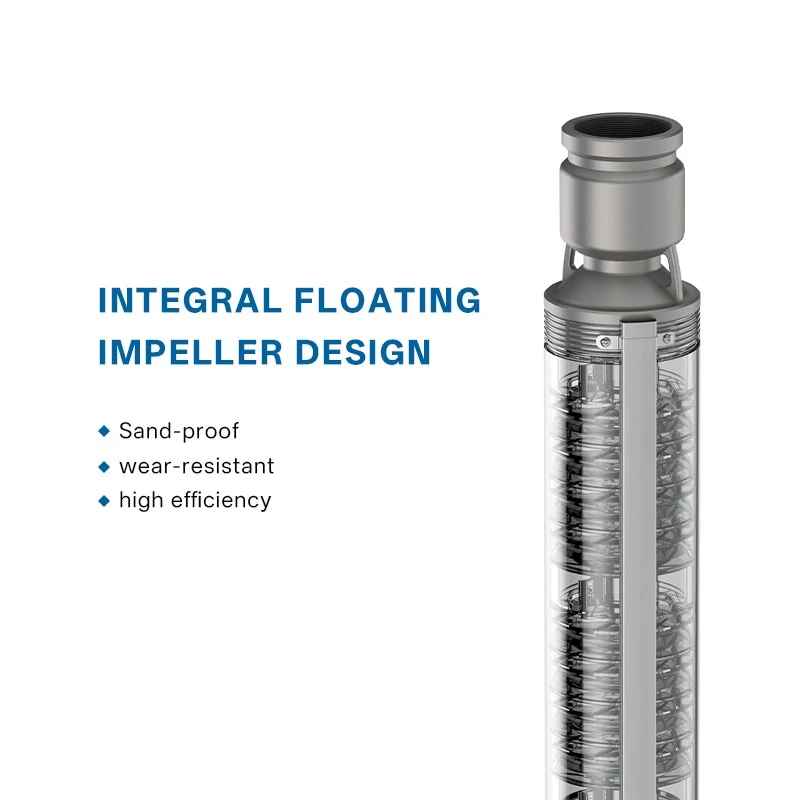

Pre - priming Checks
- Inspect the Pump and System
- First, visually inspect the pump for any signs of damage or wear. Check the pump housing, impeller, and seals. If there are any cracks or leaks, they should be repaired or replaced before attempting to prime the pump.
- Examine the well casing and the piping system. Make sure there are no blockages in the intake screen or the pipes. A clogged intake can prevent water from entering the pump, making priming impossible.
- Check the Power Supply
- Ensure that the pump is properly connected to a reliable power source. Check the electrical connections for any signs of corrosion or loose wires. A faulty power supply can cause the pump to malfunction during the priming process.
The Priming Process
- Fill the Pump with Water
- Most underground well pumps require water to be added to the pump housing before they can start working. Locate the priming port on the pump. This is usually a small valve or opening.
- Use a bucket or a hose to pour clean water into the priming port until the pump housing is full. You may need to remove a cap or plug to access the priming port.
- While filling the pump, listen for any gurgling sounds. This indicates that air is being displaced by the water.
- Bleed the Air from the System
- After filling the pump with water, you need to bleed the air from the piping system. Locate the air release valve on the pump or the piping. This valve allows air to escape while preventing water from leaking out.
- Open the air release valve slowly. You should see air bubbles coming out of the valve. Continue to open the valve until only water comes out, indicating that all the air has been removed from the system.
- Start the Pump
- Once the pump is filled with water and the air has been bled from the system, it's time to start the pump. Switch on the power supply and listen for the pump to start running.
- If the pump doesn't start immediately, check the power supply again and make sure all the connections are secure. You may also need to repeat the priming process if air has re - entered the system.
Troubleshooting Priming Issues
- Pump Won't Prime
- If the pump won't prime, there could be several reasons. As mentioned earlier, a clogged intake or a damaged pump can prevent water from entering the pump. Check the intake screen and clean it if necessary.
- Another possible cause is a leak in the suction line. If there is a leak, air can enter the system, making it difficult to prime the pump. Look for any signs of water around the pipes and repair the leaks.
- Pump Loses Prime
- If the pump loses prime after it has been running for a while, it could be due to a low water level in the well. Check the well water level and make sure it is above the pump intake.
- A worn - out seal or gasket can also cause the pump to lose prime. Inspect the seals and gaskets and replace them if needed.
Post - priming Considerations
- Monitor the Pump Performance
- After priming the pump, run it for a few minutes and monitor its performance. Check the water pressure and the flow rate. If the pressure is too low or the flow rate is inconsistent, there may be an issue with the pump or the system.
- Listen for any unusual noises coming from the pump. Grinding, rattling, or screeching sounds can indicate a problem with the impeller or other internal components.
- Regular Maintenance
- To keep the pump in good working condition, it's important to perform regular maintenance. This includes cleaning the intake screen, checking the seals and gaskets, and lubricating the moving parts.
- Consider using a high - quality pump like the LISHIBA 6SJ Series Pump – Best - Selling High - Efficiency Pump | Premium Durability For Versatile Use. This pump is known for its efficiency and durability, which can reduce the frequency of maintenance and priming issues. The 6SJ Best - Selling Water Pump By LISHIBA | Premium Quality For Diverse Applications is also a great option for various applications. And if you are looking for a submersible bore pump, the Submersible Bore Pump offers reliable performance.
Contact for Purchase and Consultation
If you are in the market for a new underground well pump or need further advice on priming and maintaining your existing pump, we are here to help. Our team of experts can provide you with detailed information about our products and assist you in choosing the right pump for your specific needs. Whether you are a homeowner, a farmer, or a commercial user, we have the solutions to meet your water pumping requirements.
References
- "Well Pump Installation and Maintenance Guide" - Published by a leading water pump industry association.
- Manufacturer's manuals for various underground well pumps.


