

Installing a stainless steel well pump is a significant project that can enhance your water supply system's efficiency and durability. As a stainless steel well pump supplier, we understand the importance of a proper installation. In this guide, we'll walk you through the step - by - step process of installing a stainless steel well pump, ensuring you get the best performance from your investment.
Step 1: Pre - installation Preparation
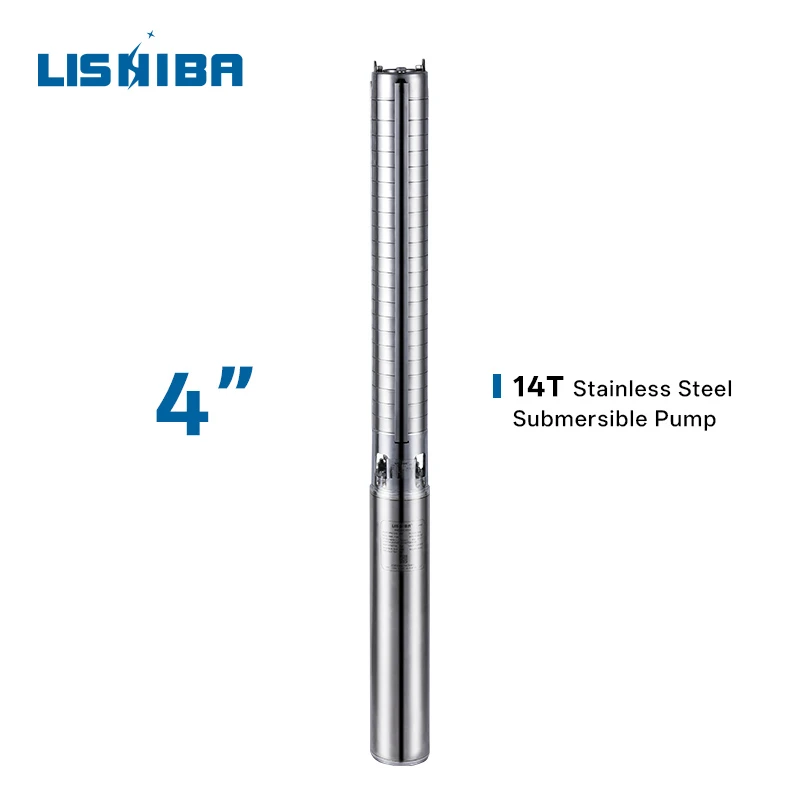
Before you start the actual installation, there are several crucial preparatory steps. First, you need to assess the well. Measure the depth of the well accurately. This information is vital as it determines the length of the drop pipe and the appropriate pump model. Our Stainless Steel Submersible Water Pump is available in different sizes and capabilities, suitable for various well depths.
Next, check the well's diameter. A standard diameter is often around 4 inches, and our well pumps are designed to fit these standard sizes. However, ensure that the well has a smooth interior and is free of any debris or obstructions. This can be done by lowering a weighted string or a well inspection camera.
It's also important to check local regulations and obtain any necessary permits for the well pump installation. Some areas have strict rules regarding well construction and pump installation to protect the water supply and ensure safety.
Step 2: Gather the Necessary Tools and Materials
To install a stainless steel well pump successfully, you'll need a set of specific tools and materials. Here's a basic list:
- Tools: Pipe wrenches, pliers, screwdrivers, a hacksaw (for cutting pipes if necessary), a multi - meter for electrical testing, and a torque wrench for proper tightening of bolts.
- Materials: The stainless steel well pump itself, a appropriate length of drop pipe (usually made of PVC or stainless steel), electrical cable, pressure switch, foot valve, pitless adapter, and various fittings such as couplings, unions, and elbows.
Step 3: Install the Drop Pipe
The drop pipe is used to connect the pump to the surface. Start by assembling the drop pipe sections. If you're using PVC pipes, apply PVC cement to the joints according to the manufacturer's instructions. For stainless - steel pipes, use threaded connectors and Teflon tape to prevent leaks.

Lower the assembled drop pipe into the well slowly. Make sure it is centered in the well to avoid any contact with the well walls. Attach a weight or a guide to the bottom of the pipe to keep it straight as it descends.
Step 4: Connect the Pump to the Drop Pipe
Once the drop pipe is in place, it's time to connect the pump. Our Stainless Submersible Pump has a specifically designed connection point for the drop pipe. Use the appropriate fittings and make sure the connection is tight.
Before lowering the pump into the well with the attached drop pipe, it's a good idea to test the electrical connections. Check that the electrical cable is intact and properly insulated. Use a multi - meter to test for continuity and ensure there are no short - circuits.
Step 5: Lower the Pump and Drop Pipe Assembly
With the pump connected to the drop pipe, carefully lower the entire assembly into the well. Use a winch or a pulley system to control the descent. Make sure the pump is positioned at the correct depth, usually a few feet above the bottom of the well to avoid sucking up sediment.
As the assembly is lowered, pay attention to the electrical cable. Keep it straight and avoid any kinks or twists. Secure the cable to the drop pipe at regular intervals using cable ties or clamps.
Step 6: Install the Pitless Adapter
The pitless adapter is an essential component that allows the water to enter the building from the well without the need for an above - ground well casing. Install the pitless adapter at the wellhead according to the manufacturer's instructions. This usually involves cutting the drop pipe to the appropriate length and connecting the adapter using the provided fittings.
Step 7: Connect the Electrical Wiring
Proper electrical wiring is crucial for the safe and efficient operation of the well pump. Connect the pump's electrical cable to the control panel or pressure switch. Our residential pumps, like the Residential Well Pump, are designed with easy - to - understand wiring diagrams.
Use a wire stripper to bare the ends of the wires and connect them using wire nuts or terminal blocks. Make sure all connections are tight and insulated. Ground the pump according to local electrical codes to prevent electrical shocks.
Step 8: Install the Pressure Switch
The pressure switch controls when the pump turns on and off. Install the pressure switch near the well pump's discharge pipe. Connect the switch to the electrical system and the water line. Adjust the pressure settings according to your water system's requirements.
Step 9: Prime the Pump
Priming the pump is necessary to remove any air from the system and ensure proper water flow. Fill the pump and the suction pipe with water. Some pumps have a priming port, while others may require you to pour water into the discharge pipe.
Step 10: Test the System
After completing all the installation steps, it's time to test the system. Turn on the power and check for any leaks in the pipes, joints, or the pitless adapter. Listen for any abnormal noises from the pump. Check the water pressure at various faucets in your building.
If you notice any issues, such as low water pressure, leaks, or strange noises, troubleshoot the problem immediately. It could be due to a loose connection, a faulty pressure switch, or a blocked pipe.
Conclusion
Installing a stainless steel well pump can be a complex but rewarding project. By following these steps carefully, you can ensure a successful installation and enjoy a reliable water supply for years to come. As a stainless steel well pump supplier, we offer a wide range of high - quality pumps to meet your specific needs.
If you're interested in purchasing a stainless steel well pump or need more information about the installation process, we're here to help. Contact us for professional advice and to start the procurement process. We'll work with you to find the best solution for your water system.
References
- "Well Pump Installation Manuals" from various well pump manufacturers.
- "Electrical and Plumbing Codes for Well Systems" published by local regulatory bodies.
- "Water Well Systems: Design, Installation, and Maintenance" textbooks.


