

Dealing with high conductivity in a submersible bore pump system can be a real headache. But don't worry, as a submersible bore pump supplier, I've got some tips and tricks to share with you.
What is High Conductivity and Why Does it Matter?
First off, let's talk about what high conductivity means. Conductivity in water is a measure of how well it can conduct an electrical current. It's mainly determined by the amount of dissolved salts, minerals, and other ions in the water. When the conductivity is high, it can cause all sorts of problems for your submersible bore pump system.
High conductivity can lead to corrosion of the pump components. The ions in the water can react with the metal parts of the pump, causing them to break down over time. This not only shortens the lifespan of the pump but can also lead to leaks and reduced performance. Additionally, high conductivity can affect the electrical efficiency of the pump. More energy is required to operate the pump in high - conductivity water, which means higher electricity bills for you.
Identifying High Conductivity
So, how do you know if you're dealing with high conductivity in your submersible bore pump system? The most accurate way is to test the water. You can use a conductivity meter, which is a relatively inexpensive and easy - to - use tool. Simply dip the meter into the water, and it will give you a reading of the conductivity.
If you don't have a conductivity meter, there are some signs that can indicate high conductivity. For example, if you notice that the pump components are corroding faster than normal, or if the pump seems to be using more energy than usual, high conductivity could be the culprit.
Solutions to High Conductivity
1. Use Corrosion - Resistant Materials
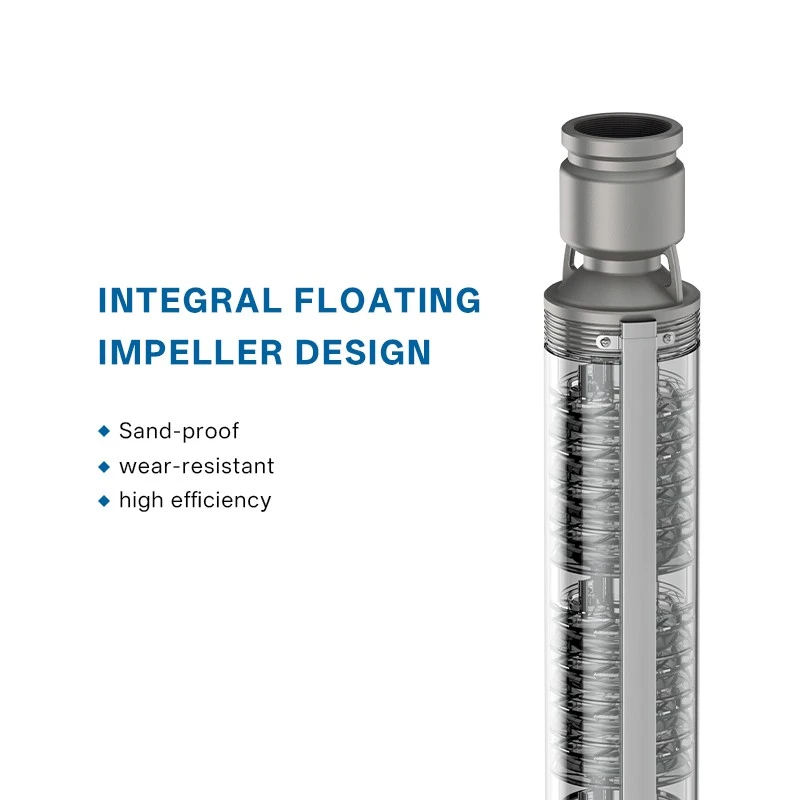
One of the most effective ways to deal with high conductivity is to use pumps made from corrosion - resistant materials. For instance, pumps with stainless - steel or plastic components are less likely to corrode in high - conductivity water. At our company, we offer pumps like the 6SJ Best - Selling Water Pump By LISHIBA | Premium Quality For Diverse Applications. This pump is made with high - quality materials that can withstand the harsh conditions of high - conductivity water.
The LISHIBA Pumps - Premium 6SJ Series High - Performance Pump | Multi - Scenario Application | Industry Leading Sales also features corrosion - resistant parts, ensuring a longer lifespan even in water with high conductivity. These pumps are designed to handle a variety of water conditions, making them a great choice for your submersible bore pump system.
2. Water Treatment
Another option is to treat the water before it enters the pump. There are several water treatment methods that can reduce conductivity. One common method is reverse osmosis. Reverse osmosis uses a semi - permeable membrane to remove dissolved salts and other ions from the water. This significantly reduces the conductivity of the water and protects the pump from corrosion.
However, reverse osmosis systems can be expensive to install and operate. Another more cost - effective option is ion exchange. Ion exchange resins can remove specific ions from the water, reducing the overall conductivity.
3. Regular Maintenance
Regular maintenance is crucial when dealing with high - conductivity water. You should inspect the pump components regularly for signs of corrosion and wear. Replace any damaged parts immediately to prevent further damage to the pump.

It's also important to clean the pump regularly. High - conductivity water can leave behind deposits on the pump components, which can affect the performance of the pump. Use a mild detergent and a soft brush to clean the pump, and make sure to rinse it thoroughly.
4. Monitoring and Control
Continuously monitor the conductivity of the water. You can set up an automated monitoring system that will alert you if the conductivity exceeds a certain threshold. This allows you to take action before any serious damage occurs.
You can also control the flow rate of the water through the pump. In high - conductivity water, reducing the flow rate can sometimes help reduce the stress on the pump components. However, be careful not to reduce the flow rate too much, as this can also affect the performance of the pump.
Conclusion
Dealing with high conductivity in a submersible bore pump system is not an easy task, but it's definitely doable. By using corrosion - resistant materials, treating the water, performing regular maintenance, and monitoring the conductivity, you can ensure that your pump system operates efficiently and lasts for a long time.
If you're in the market for a submersible bore pump that can handle high - conductivity water, we've got you covered. Check out our LISHIBA 6SJ Series: Top - Selling High - Quality Pump For Multiple Usage Scenarios. Our pumps are designed to provide reliable performance in even the toughest conditions.
If you have any questions or are interested in purchasing a submersible bore pump, feel free to reach out to us. We're here to help you find the best solution for your needs.
References
- "Handbook of Water and Wastewater Treatment Plant Operations" by World Environmental & Water Resources Congress
- "Corrosion of Metals in Water" by ASTM International


