

As a supplier of submersible well pumps, I understand the importance of ensuring that these essential pieces of equipment are working properly. A well - functioning submersible well pump is crucial for a variety of applications, from providing water for domestic use to powering agricultural irrigation systems. In this blog, I'll share some key steps and methods to check if a submersible well pump is operating as it should.
Visual Inspection
The first step in checking a submersible well pump is a thorough visual inspection. This can often reveal obvious signs of damage or malfunction. Start by examining the power cable. Look for any signs of cuts, abrasions, or fraying. A damaged cable can lead to electrical problems, which may cause the pump to fail or pose a safety hazard. If you notice any issues with the cable, it should be replaced immediately.
Next, inspect the pump housing. Check for cracks, dents, or other physical damage. A damaged housing can allow water to seep into the pump, potentially causing short - circuits or other internal problems. If the housing is damaged, it may be necessary to replace the entire pump or at least have the damaged part repaired.
Also, take a look at the intake screen. The intake screen is designed to prevent debris from entering the pump. If it is clogged with dirt, leaves, or other debris, it can restrict the flow of water into the pump, reducing its efficiency. Clean the intake screen regularly to ensure proper water flow.
Check the Power Supply
A submersible well pump requires a stable power supply to operate correctly. First, make sure that the pump is properly connected to the power source. Check the circuit breaker or fuse that controls the pump. If the breaker has tripped or the fuse has blown, it could indicate an electrical problem with the pump. Reset the breaker or replace the fuse and see if the pump starts. If the breaker trips or the fuse blows again immediately, there is likely a more serious issue that needs to be addressed.
Use a multimeter to test the voltage at the pump's power connection. The voltage should be within the range specified by the pump's manufacturer. If the voltage is too low, the pump may not have enough power to operate at full capacity. Low voltage can be caused by a variety of factors, such as a long power cable, a weak power source, or a problem with the electrical system in your home or facility.
Monitor the Water Pressure
One of the most important indicators of a well - functioning submersible well pump is the water pressure. You can use a pressure gauge to measure the water pressure at a faucet or other outlet connected to the well system. The normal water pressure for a residential well system is typically between 40 and 60 pounds per square inch (psi).
If the water pressure is too low, it could mean that the pump is not working efficiently. This could be due to a clogged intake screen, a damaged impeller, or a problem with the pump's motor. On the other hand, if the water pressure is too high, it could put excessive stress on the pipes and fittings in the system, increasing the risk of leaks and other problems. Adjust the pressure switch on the pump to regulate the water pressure within the appropriate range.
Listen for Unusual Noises
While the pump is running, listen carefully for any unusual noises. A properly functioning submersible well pump should operate relatively quietly. If you hear grinding, rattling, or screeching noises, it could indicate a problem with the pump's internal components. For example, a grinding noise could be a sign of a worn - out bearing, while a rattling noise could mean that there is loose debris inside the pump.
If you notice any unusual noises, it's important to shut off the pump immediately to prevent further damage. Contact a professional technician to diagnose and repair the problem.
Check the Flow Rate
The flow rate of the pump is another important factor to consider. You can measure the flow rate by collecting water from a faucet or other outlet for a specific period of time, usually one minute. Compare the measured flow rate with the pump's rated flow rate, which can be found in the pump's specifications.
If the flow rate is significantly lower than the rated flow rate, it could be due to a number of reasons. A clogged pipe, a damaged impeller, or a problem with the pump's motor can all reduce the flow rate. You may need to troubleshoot the system to identify and fix the issue.

Use Diagnostic Tools
There are several diagnostic tools available that can help you determine if a submersible well pump is working properly. For example, a pump ammeter can be used to measure the current draw of the pump. An abnormal current draw can indicate a problem with the pump's motor or other components.
A pressure transducer can also be used to continuously monitor the water pressure in the system. This can help you detect any fluctuations or irregularities in the pressure, which could be a sign of a problem with the pump.
Consider Our Products
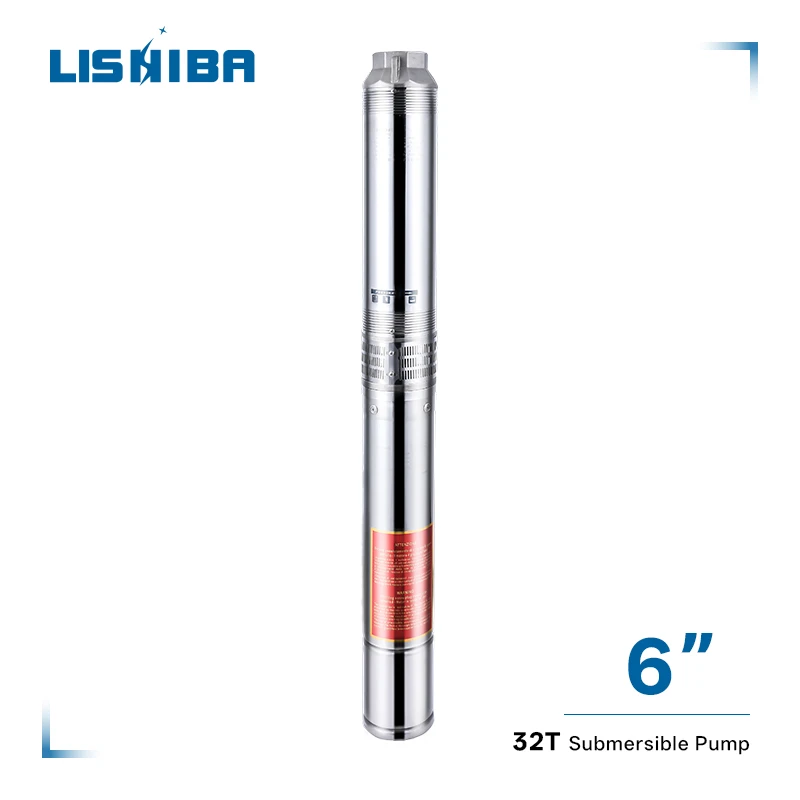
At our company, we offer a range of high - quality submersible well pumps that are designed to provide reliable performance. Our 6SJ Best - Selling Water Pump By LISHIBA | Premium Quality For Diverse Applications is a top - choice for many customers. It is built with premium materials and advanced technology, ensuring efficient and long - lasting operation.
The LISHIBA 6SJ Series: Top - Selling High - Quality Pump For Multiple Usage Scenarios is another excellent option. This series is suitable for a wide range of applications, from domestic water supply to agricultural irrigation.
If you are in the agricultural sector, our Agricultural Irrigation Water Pump is specifically designed to meet the demands of large - scale irrigation systems. It provides a high flow rate and reliable performance, helping you to keep your crops well - watered.
If you have any questions about our products or need assistance in checking the performance of your submersible well pump, we are here to help. We encourage you to contact us for more information and to discuss your specific needs. Our team of experts can provide you with detailed advice and support to ensure that you get the most out of your submersible well pump.
References
- Submersible Well Pump Installation and Maintenance Manuals from Leading Manufacturers
- Professional Journals on Water Pump Technology and Troubleshooting
- Industry Standards and Guidelines for Submersible Well Pumps


