

As a supplier of Electric Well Pumps, I've encountered numerous customers who face challenges when using these pumps at high altitudes. High - altitude environments present unique conditions that can significantly impact the performance of an electric well pump. In this blog post, I'll share some essential tips on how to adjust an electric well pump for high - altitude use.
Understanding the Challenges of High - Altitude Use
Before we dive into the adjustment process, it's crucial to understand the challenges that high - altitude environments pose to electric well pumps. The most significant factor is the decrease in atmospheric pressure. As altitude increases, the air becomes thinner, and the atmospheric pressure drops. This reduction in pressure affects the pump's ability to draw water from the well and can lead to a decrease in pump efficiency.
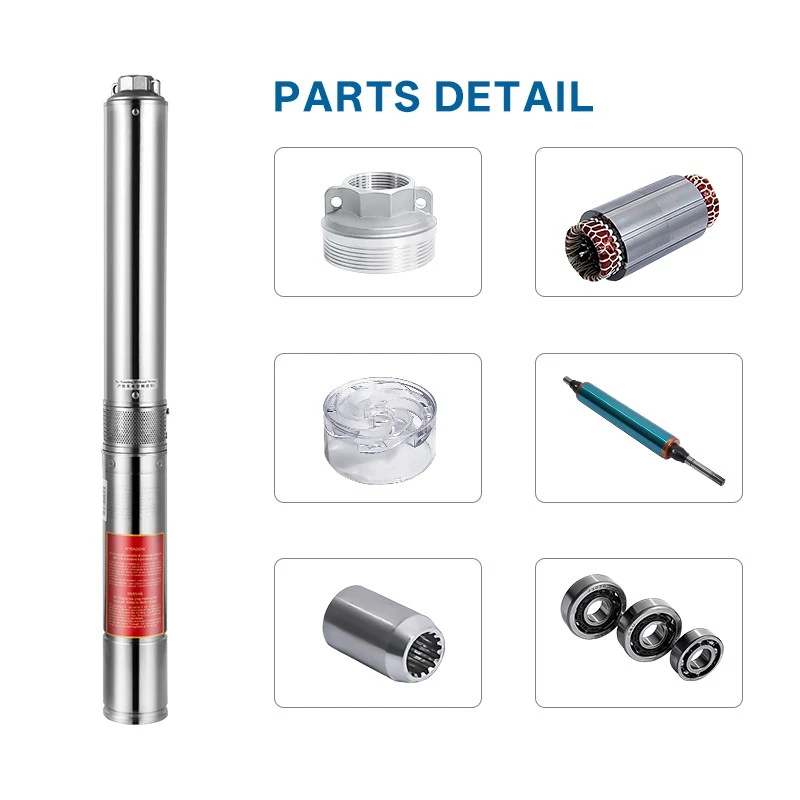

Another challenge is the change in temperature. High - altitude areas often experience lower temperatures, especially at night. Cold temperatures can cause the water in the pump and pipes to freeze, which can damage the pump and disrupt its operation. Additionally, the lower oxygen levels at high altitudes can affect the motor's performance, leading to overheating and reduced lifespan.
Selecting the Right Pump for High - Altitude Use
When choosing an electric well pump for high - altitude applications, it's essential to select a pump that is specifically designed to handle the unique conditions. Look for pumps that are rated for high - altitude use or have features that can compensate for the lower atmospheric pressure. For example, some pumps are equipped with larger impellers or more powerful motors to maintain performance at high altitudes.
Our company offers a range of pumps suitable for high - altitude use, including the Submersible Clean Water Pump. This pump is designed to operate efficiently in challenging environments and can handle the reduced atmospheric pressure at high altitudes. The Electric Well Pump is another excellent option, with features that ensure reliable performance in high - altitude areas. And if you need a pump with a specific size, our 4 Inch Submersible Pump is a great choice.
Adjusting the Pump for High - Altitude Use
Pressure Settings
One of the first steps in adjusting an electric well pump for high - altitude use is to adjust the pressure settings. The lower atmospheric pressure at high altitudes means that the pump needs to work harder to maintain the same water pressure at the outlet. To compensate for this, you may need to increase the cut - in and cut - out pressure settings on the pressure switch.
The cut - in pressure is the pressure at which the pump starts, and the cut - out pressure is the pressure at which the pump stops. Consult the pump's manual for the recommended pressure settings for high - altitude use. In general, you may need to increase the cut - in pressure by 5 - 10 psi and the cut - out pressure by 10 - 20 psi, depending on the altitude.
Impeller Adjustment
In some cases, you may need to adjust the impeller to improve the pump's performance at high altitudes. The impeller is responsible for creating the centrifugal force that moves the water through the pump. At high altitudes, the lower atmospheric pressure can reduce the impeller's efficiency.
To adjust the impeller, you may need to increase its diameter or change its pitch. This can increase the amount of water the impeller can move and improve the pump's overall performance. However, impeller adjustment should only be done by a qualified technician, as it requires specialized tools and knowledge.
Motor Cooling
As mentioned earlier, the lower oxygen levels at high altitudes can cause the motor to overheat. To prevent this, it's essential to ensure that the motor has adequate cooling. Check the motor's ventilation system to make sure it is clear of debris and that the cooling fins are clean.
You may also need to install additional cooling equipment, such as a fan or a heat sink, to help dissipate the heat. Regularly monitor the motor's temperature during operation to ensure that it stays within the recommended range.
Freeze Protection
Cold temperatures at high altitudes can cause the water in the pump and pipes to freeze. To prevent this, it's crucial to install freeze protection measures. Insulate the pump and pipes with a high - quality insulation material to reduce heat loss. You can also install a heat tape or a heater to keep the water above freezing temperature.
Additionally, make sure that the pump is located in a protected area, such as a well house or a pump shed, to shield it from the cold weather. During periods of extreme cold, you may need to drain the pump and pipes to prevent freezing.
Maintenance and Monitoring
Once you've adjusted the electric well pump for high - altitude use, it's essential to perform regular maintenance and monitoring to ensure its continued performance. Check the pump's pressure settings, impeller, motor, and freeze protection measures regularly to make sure they are functioning properly.
Inspect the pump and pipes for any signs of damage or wear, such as leaks, cracks, or corrosion. Replace any worn or damaged parts immediately to prevent further problems. Keep a log of the pump's operation, including the pressure readings, temperature, and any issues that arise. This will help you identify any trends or potential problems early on and take appropriate action.
Contact Us for Your High - Altitude Pump Needs
If you're looking for a reliable electric well pump for high - altitude use or need assistance with adjusting your existing pump, we're here to help. Our team of experts has extensive experience in dealing with high - altitude pump applications and can provide you with the best solutions for your needs.
Whether you need a Submersible Clean Water Pump, an Electric Well Pump, or a 4 Inch Submersible Pump, we have a wide range of products to choose from. Contact us today to discuss your requirements and start the procurement process.
References
- "Pump Handbook" by Igor J. Karassik et al.
- "High - Altitude Engineering Handbook" by various authors.


