

Selecting the appropriate pipe size for a residential well pump is a critical decision that significantly impacts the efficiency, performance, and longevity of the entire water supply system. As a supplier of [Residential Well Pump], I've encountered numerous customers grappling with this choice. In this blog, I'll share some insights and guidelines to help you make an informed decision.
Understanding the Basics of Pipe Sizing
Before delving into the selection process, it's essential to understand the fundamental concepts related to pipe sizing. The size of a pipe is typically measured by its inner diameter (ID), which determines the volume of water that can flow through it. A larger ID allows for greater water flow, while a smaller ID restricts the flow.
Another crucial factor is the flow rate, which is the volume of water that passes through the pipe per unit of time, usually measured in gallons per minute (GPM). The pressure, measured in pounds per square inch (PSI), is also vital as it affects how easily water can move through the pipe. Friction loss, which occurs as water flows through the pipe, is another consideration. Longer pipes and pipes with smaller diameters tend to have higher friction losses, reducing the overall efficiency of the system.
Factors Influencing Pipe Size Selection
1. Well Pump Capacity
The capacity of your well pump, measured in GPM, is a primary determinant of the appropriate pipe size. You need a pipe that can handle the flow rate produced by the pump without causing excessive pressure drops. If the pipe is too small, it will restrict the flow, leading to reduced water pressure at the fixtures and potentially overworking the pump, which can shorten its lifespan.
For instance, if you have a well pump with a capacity of 10 GPM, you'll need a pipe that can accommodate this flow rate. A 1-inch pipe might be suitable for this relatively low flow rate, but if your pump has a higher capacity, say 20 GPM or more, you may need a 1.25-inch or 1.5-inch pipe.
2. Distance from the Well to the House
The length of the pipe run from the well to the house also plays a significant role in pipe size selection. As mentioned earlier, longer pipes result in higher friction losses. To compensate for these losses and maintain adequate water pressure at the fixtures, you may need to increase the pipe size.
For example, if the well is located 50 feet away from the house, a 1-inch pipe might be sufficient for a moderate flow rate. However, if the distance increases to 150 feet or more, you may need to upgrade to a 1.25-inch or larger pipe to ensure proper water delivery.

3. Number of Fixtures and Water Demand
The number of water fixtures in your home and their simultaneous water demand also impact pipe size selection. A larger home with multiple bathrooms, kitchens, and outdoor faucets will require a greater volume of water to be delivered at once. In such cases, a larger pipe size is necessary to meet the peak demand without significant pressure drops.
If you have a small cottage with only a few fixtures, a smaller pipe size may be adequate. But for a large family home with multiple people using water simultaneously, you'll need to ensure that the pipe can handle the increased demand.
4. Static Water Level and Pump Depth
The static water level in the well and the depth at which the pump is installed are important factors. A deeper well or a pump installed at a greater depth requires more energy to lift the water to the surface. A larger pipe size can help reduce the friction losses associated with this increased lift, allowing the pump to operate more efficiently.
If the static water level is relatively shallow, a smaller pipe may be sufficient. However, if the well is deep, say 100 feet or more, a larger pipe will likely be needed to maintain good water flow and pressure.
Calculating the Right Pipe Size
While the factors mentioned above provide a general guideline, calculating the exact pipe size requires some technical knowledge. One common method is to use a pipe sizing chart, which takes into account the flow rate, pipe length, and friction loss. These charts are available online or in plumbing textbooks.
Another approach is to use a pipe sizing calculator, which can be found on many plumbing supply websites. These calculators typically ask for information such as the pump capacity, pipe length, and desired pressure at the fixtures. They then provide a recommended pipe size based on the input data.
If you're unsure about how to perform these calculations or want a more accurate assessment, it's advisable to consult a professional plumber or a well pump expert. They have the experience and tools to accurately determine the appropriate pipe size for your specific situation.
The Importance of Proper Pipe Sizing
Selecting the right pipe size is crucial for several reasons. Firstly, it ensures that your well pump operates efficiently. A properly sized pipe allows the pump to deliver water at the desired flow rate and pressure without overworking, which can save energy and reduce operating costs.
Secondly, it helps maintain consistent water pressure throughout your home. Adequate water pressure is essential for the proper functioning of appliances such as dishwashers, washing machines, and showers. Without it, these appliances may not work effectively, leading to inconvenience and potential damage.
Finally, proper pipe sizing can extend the lifespan of your well pump and the entire plumbing system. By reducing the stress on the pump and minimizing friction losses, you can prevent premature wear and tear, reducing the need for costly repairs and replacements.
Our Product Range and Support
As a supplier of [Residential Well Pump], we offer a wide range of high-quality products to meet your needs. Our Solar Well Pump System is an excellent option for those looking for an energy-efficient and environmentally friendly solution. It combines the latest solar technology with reliable pump performance to provide a sustainable water supply.
For applications that require high pressure, our High Head Submersible Pumps are designed to deliver exceptional performance. These pumps are built to handle deep wells and high lift requirements, ensuring consistent water flow even in challenging conditions.
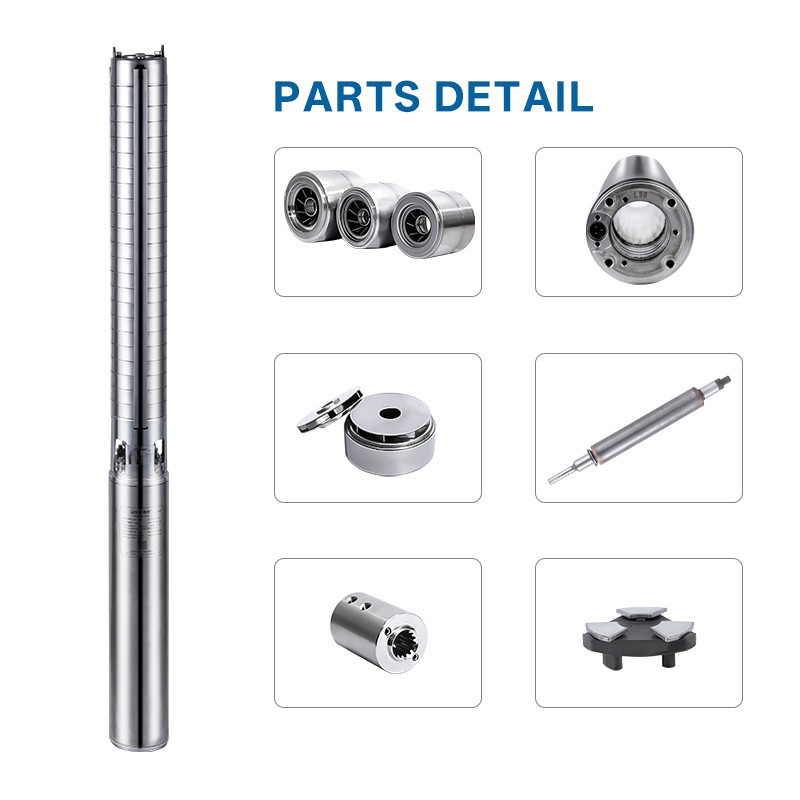
Of course, our Residential Well Pump is a popular choice for many homeowners. It offers a balance of performance, reliability, and affordability, making it suitable for a wide range of residential applications.
In addition to our high-quality products, we also provide expert advice and support to help you choose the right pipe size for your well pump. Our team of experienced professionals can assist you in calculating the appropriate pipe size based on your specific requirements and ensure that your water supply system operates at its best.
Contact Us for Procurement and Consultation
If you're in the process of selecting a well pump and determining the right pipe size, we're here to help. Our knowledgeable staff can answer your questions, provide detailed product information, and offer customized solutions based on your needs.
Whether you're a homeowner looking to install a new well pump or a contractor working on a residential project, we invite you to contact us for procurement and consultation. We're committed to providing the best products and services to ensure your satisfaction.
References
- "Plumbing Engineering: Design and Installation" by John R. Hall.
- "Well Water Systems: A Practical Guide" by Peter C. Reynolds.
This blog provides a comprehensive overview of how to choose the right pipe size for a residential well pump. By considering the factors mentioned and seeking professional advice when needed, you can ensure that your well pump system operates efficiently and effectively for years to come.


