

Can a solar well pump system be used in rural areas?
As a supplier of Solar Well Pump Systems, I've often been asked whether these systems are suitable for rural areas. The answer is a resounding yes, and in this blog, I'll explore the reasons why solar well pump systems are an excellent choice for rural settings.
The Need for Water in Rural Areas
Rural areas often face unique challenges when it comes to accessing water. Traditional grid - connected water pumping systems may not be feasible due to the high cost of extending power lines to remote locations. Many rural households rely on wells for their water supply, whether it's for drinking, irrigation, or livestock watering. Without a reliable pumping system, getting water from the well can be a labor - intensive and inefficient process.
Advantages of Solar Well Pump Systems in Rural Areas
1. Cost - effectiveness
One of the most significant advantages of solar well pump systems is their cost - effectiveness. The initial investment in a solar well pump system may seem high, but over the long term, it can save a substantial amount of money. Unlike traditional diesel or electric pumps, solar pumps do not require fuel or a continuous supply of electricity from the grid. This means that there are no ongoing fuel costs or high electricity bills. For rural residents on a tight budget, this can be a game - changer.
For example, a small - scale farmer in a rural area who uses a solar well pump for irrigation can significantly reduce the cost of watering their crops. Instead of spending money on diesel to run a pump, they can rely on the free and abundant energy from the sun. The money saved can be reinvested in the farm, such as buying better seeds or fertilizers.
2. Environmental Friendliness
Solar well pump systems are an environmentally friendly option. They produce no greenhouse gas emissions during operation, which helps to reduce the carbon footprint of rural communities. In an era where environmental concerns are at the forefront, using solar energy to pump water is a step towards a more sustainable future.
Rural areas are often rich in natural resources and are home to diverse ecosystems. By using solar pumps, we can protect these environments from the pollution associated with traditional pumping methods. For instance, diesel pumps emit harmful pollutants into the air and can contaminate soil and water sources if there are fuel spills. Solar pumps eliminate these risks.
3. Reliability and Independence
In rural areas, power outages are not uncommon, especially during extreme weather conditions. A solar well pump system provides a reliable source of water even when the grid is down. As long as there is sunlight, the pump can operate. This independence from the grid gives rural residents peace of mind, knowing that they will have access to water when they need it.
For a rural household that depends on well water for daily use, a solar pump ensures a continuous supply of water. Even during power cuts, they can still draw water for drinking, cooking, and cleaning. This is particularly important in areas where access to clean water is already limited.

4. Low Maintenance
Solar well pump systems are relatively low - maintenance compared to traditional pumps. They have fewer moving parts, which means there is less wear and tear. The main components of a solar pump, such as the solar panels and the pump itself, are designed to be durable and long - lasting.
Most solar pumps only require basic maintenance, such as occasional cleaning of the solar panels to ensure maximum sunlight absorption. In contrast, diesel pumps need regular servicing, including oil changes, filter replacements, and engine tune - ups. This makes solar pumps a more convenient option for rural residents who may not have easy access to maintenance services.
Types of Solar Well Pump Systems for Rural Use
1. Submersible Solar Well Pumps
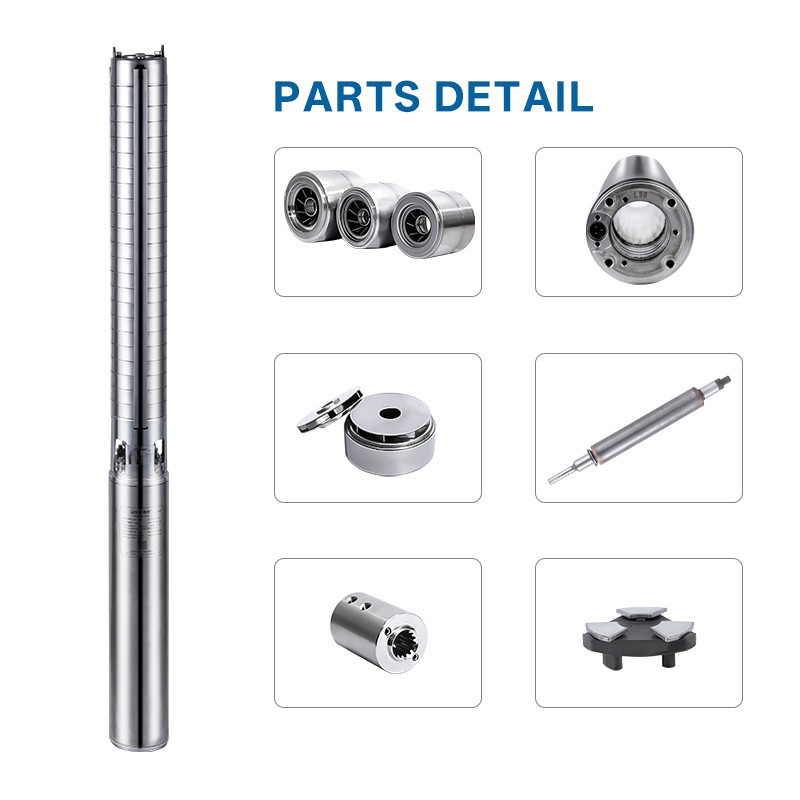
Submersible solar well pumps are a popular choice for rural areas. These pumps are designed to be placed inside the well, below the water level. They are suitable for deep wells and can pump water to the surface efficiently. Stainless Submersible Pump is an example of a high - quality submersible pump that can be used in solar well pump systems.
Submersible pumps are often made of stainless steel, which makes them resistant to corrosion and rust. This is important in rural areas where well water may contain minerals and other substances that can damage the pump over time.
2. Surface Solar Well Pumps
Surface solar well pumps are installed above the ground and are used for shallow wells or water sources close to the surface. They are easier to install and maintain compared to submersible pumps. A Residential Well Pump can be a great option for rural households with a relatively shallow well.
Surface pumps are also more accessible for inspection and repairs. If there is a problem with the pump, it can be easily reached without having to remove it from the well, which is a more complicated process for submersible pumps.
Considerations When Using Solar Well Pump Systems in Rural Areas
1. Sunlight Availability
The effectiveness of a solar well pump system depends on the amount of sunlight available in the area. Rural areas in sunny regions are ideal for solar pumps. However, even in areas with less sunlight, modern solar pump systems are designed to work efficiently with lower levels of solar radiation. It's important to assess the average sunlight hours in the area before installing a solar pump.
2. Water Demand
The size and capacity of the solar well pump system should be based on the water demand in the rural area. For a small household, a smaller pump may be sufficient, while a large - scale farm or a community center may require a more powerful pump. Careful planning is needed to ensure that the pump can meet the water needs without being over - or under - sized.
3. Well Depth and Water Quality
The depth of the well and the quality of the water are also important factors. As mentioned earlier, submersible pumps are suitable for deep wells, while surface pumps are better for shallow wells. The water quality can affect the lifespan of the pump. If the water contains a high level of sediment or minerals, additional filtration may be required to prevent damage to the pump.
Conclusion
In conclusion, solar well pump systems are highly suitable for rural areas. They offer numerous advantages, including cost - effectiveness, environmental friendliness, reliability, and low maintenance. With the right type of pump and proper planning, rural residents can enjoy a reliable and sustainable water supply.
If you are a rural resident, a farmer, or a community leader in a rural area and are interested in a Solar Well Pump System, I encourage you to reach out to us. We are a professional supplier of solar well pump systems and can provide you with the best solutions tailored to your specific needs. Whether you need a small - scale pump for a household or a large - scale system for a farm, we have the expertise and the products to meet your requirements. Contact us today to start the conversation about how we can help you access clean and reliable water using solar energy.
References
- "Solar Water Pumping Systems: A Guide for Users and Installers" by the International Renewable Energy Agency (IRENA).
- "Renewable Energy in Rural Areas" published by the United Nations Environment Programme (UNEP).
- Various industry reports on the use of solar pumps in rural water supply and irrigation.


