

As a trusted supplier of submersible well pumps, I understand the importance of ensuring the safe and efficient operation of these essential devices. Submersible well pumps are widely used for various applications, including residential water supply, agricultural irrigation, and industrial water transfer. However, like any mechanical equipment, they require proper handling and maintenance to prevent accidents and ensure long-term reliability. In this blog post, I will discuss some important safety precautions to consider when using a submersible well pump.
Pre - Installation Safety Precautions
Before installing a submersible well pump, it is crucial to conduct a thorough site assessment. First, ensure that the well is in good condition. Check for any signs of cracks, corrosion, or other structural damage in the well casing. A damaged well casing can pose a significant risk, as it may allow contaminants to enter the water supply or cause the pump to malfunction.
It is also essential to verify the well's depth and diameter. The pump must be properly sized to fit the well. An undersized pump may not be able to meet the water demand, while an oversized pump can lead to excessive energy consumption and premature wear. When selecting a pump, you can refer to our high - quality Submersible Bore Pump, which is designed to meet various well specifications.
During the installation process, always follow the manufacturer's instructions carefully. Make sure that all electrical connections are made by a qualified electrician. Incorrect electrical connections can cause short circuits, electrical shocks, or even fires. Use appropriate wiring and grounding methods to protect against electrical hazards. The pump should be connected to a dedicated circuit with a properly sized breaker or fuse to prevent overloading.
Operational Safety Precautions
Once the submersible well pump is installed, proper operation is key to safety. Never run the pump dry. Running the pump without water can cause the motor to overheat and damage the pump components. Most modern submersible well pumps are equipped with thermal overload protection, but continuous dry running can still lead to premature failure.
Regularly monitor the pump's performance. Check the water pressure and flow rate. A sudden drop in pressure or flow may indicate a problem, such as a clogged impeller, a leak in the piping, or a failing pump motor. If you notice any abnormal operation, stop the pump immediately and investigate the cause.
In addition, avoid operating the pump in areas with flammable or explosive substances. Submersible well pumps generate heat and electrical sparks during operation, which can ignite flammable vapors. Ensure that the surrounding environment is well - ventilated and free from potential fire hazards.
Maintenance Safety Precautions
Regular maintenance is essential for the safe and efficient operation of a submersible well pump. Schedule routine inspections to check for signs of wear and tear. Inspect the pump's impeller, seals, and motor regularly. Replace any worn - out parts promptly to prevent further damage.
When performing maintenance, always turn off the power supply to the pump. This will prevent accidental electrocution. Use proper tools and safety equipment, such as gloves and safety glasses, when working on the pump.
Flush the well and the pump periodically to remove sediment and debris. Sediment buildup can reduce the pump's efficiency and cause damage to the internal components. However, be careful not to use excessive force or harsh chemicals during the flushing process, as this can also damage the pump.
Winter Safety Precautions
In cold climates, special precautions are needed to protect the submersible well pump during the winter months. Freezing temperatures can cause the water in the pump and piping to freeze, which can lead to cracked pipes and damaged pump components.
Insulate the exposed pipes to prevent freezing. You can use pipe insulation materials available at most hardware stores. If possible, keep the water flowing slowly through the pipes during extremely cold weather. This will help prevent the water from freezing.
If the pump is not going to be used during the winter, it may be necessary to drain the water from the pump and the piping. Follow the manufacturer's instructions for proper winterization procedures.
Additional Safety Considerations for Different Pump Models
For our LISHIBA Pumps - Premium 6SJ Series High - Performance Pump | Multi - Scenario Application | Industry Leading Sales and LISHIBA 6SJ Series: Top - Selling High - Quality Pump For Multiple Usage Scenarios, these high - performance pumps are designed with advanced safety features. However, it is still important to follow the general safety guidelines mentioned above.
These pumps are suitable for a wide range of applications, from residential to industrial. When using them in industrial settings, additional safety measures may be required, such as installing safety guards around the pump to prevent accidental contact with moving parts.
Conclusion
In conclusion, using a submersible well pump safely requires careful attention to installation, operation, maintenance, and environmental factors. By following these safety precautions, you can ensure the long - term reliability of the pump and protect the safety of yourself and others.
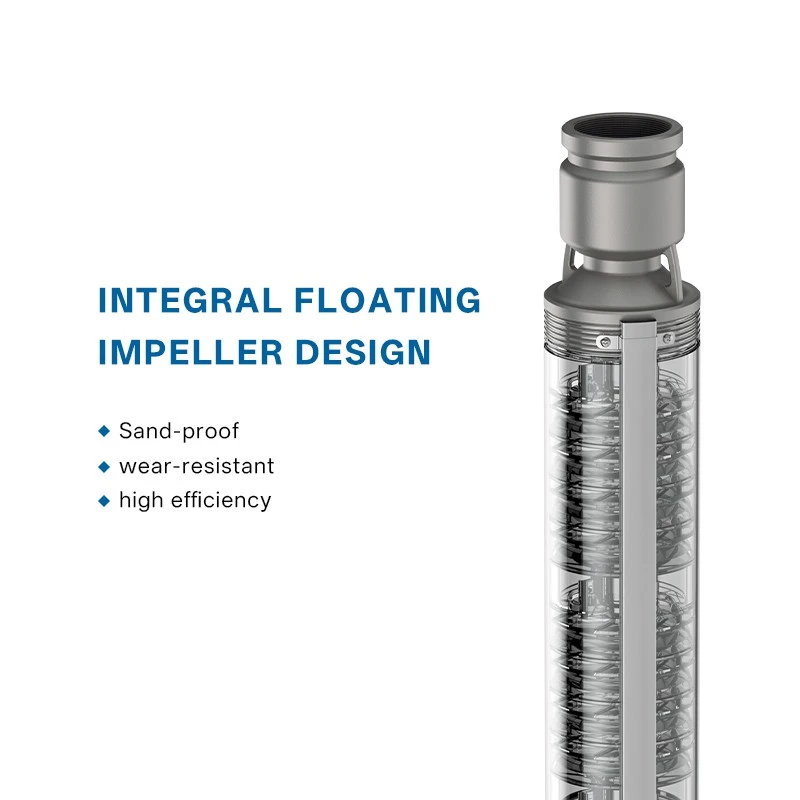

If you are in the market for a high - quality submersible well pump or need more information about pump safety, we are here to help. Our team of experts can provide you with professional advice and guidance on pump selection, installation, and maintenance. Contact us today to start a procurement discussion and find the perfect pump solution for your needs.
References
- Manufacturer's manuals for submersible well pumps
- National Electrical Code (NEC) for electrical safety guidelines
- Local building and plumbing codes for installation requirements


