

Hey there! As a supplier of solar bore pumps, I've seen firsthand how these pumps can be a game - changer for water supply needs, whether it's for agricultural, industrial, or residential use. But like any installation, there are some crucial safety precautions you need to take when setting up a solar bore pump. Let's dive right in!
1. Pre - installation Checks
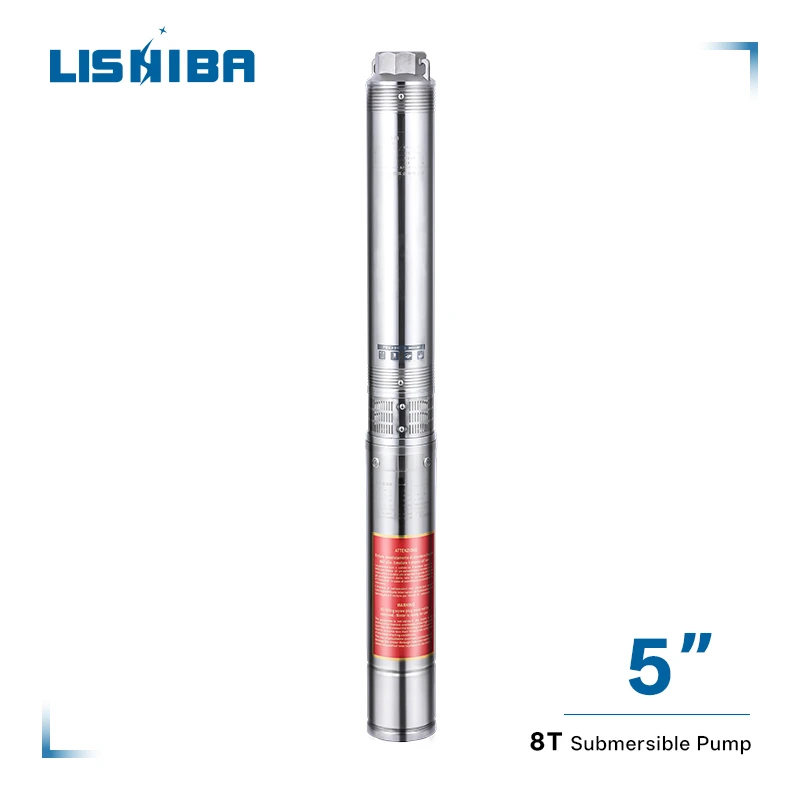
Before you even start unpacking your LISHIBA Submersible Pump - Multi - Scenario High - Efficiency Water Pump (CE Certified), you've got to do a few checks. First off, examine the well or borehole. Make sure it's in good condition. Check for any signs of cracks, debris, or blockages. A damaged well can not only affect the performance of your pump but also pose a safety risk. If you find any issues, it's best to get them fixed before proceeding.
Next, look at the power source. Since we're talking about solar bore pumps, you need to ensure that the solar panels are properly installed and facing the right direction. They should get maximum sunlight throughout the day. Also, check the wiring of the solar panels. Loose or damaged wires can lead to electrical problems, which are extremely dangerous.
The pump itself also needs a thorough inspection. Check for any visible damage during transit. Look at the impellers, seals, and motor. A damaged pump can cause malfunctions and might even break down soon after installation. If you notice anything wrong, don't try to fix it yourself. Contact the supplier right away.
2. Personal Safety Equipment
When you're installing the pump, personal safety should be your top priority. Wear appropriate safety gear, like safety glasses. These will protect your eyes from any debris that might fly up during the installation process. You should also wear gloves. Gloves not only protect your hands from cuts and abrasions but also from chemicals if you're using any lubricants or cleaning agents.
A hard hat is a must, especially if you're working near the well or borehole. There's always a risk of something falling on your head, so a hard hat can save you from serious injury. And don't forget steel - toed boots. They'll protect your feet from heavy objects that might accidentally drop.
3. Electrical Safety
Solar bore pumps rely on electricity, even if it's from the sun. So, electrical safety is super important. First, make sure the power is off before you start working on the wiring. This might seem obvious, but you'd be surprised how many accidents happen because people forget this simple step.

Use insulated tools when working with the electrical components. Insulated tools prevent electrical shocks. Also, ensure that all electrical connections are tight and secure. Loose connections can cause short circuits, which can lead to fires or damage to the pump.
If you're not confident about handling the electrical part, it's better to hire a professional electrician. They have the knowledge and experience to do the job safely.
4. Pump Installation
When it comes to actually installing the 300 ft Deep Well Pump, there are a few things to keep in mind. First, make sure the pump is properly aligned. An incorrectly aligned pump can cause excessive vibration, which can damage the pump and the well over time.
Use the right lifting equipment. Lifting a heavy pump by hand is not only difficult but also dangerous. You could strain your back or drop the pump, causing damage. Use a hoist or a winch to lower the pump into the well. Make sure the lifting equipment is in good working condition and can handle the weight of the pump.
Once the pump is in the well, connect the pipes correctly. Leaky pipes can lead to water loss and reduced pump efficiency. Use proper seals and gaskets to ensure a tight connection. Also, make sure the pipes are supported properly. Hanging pipes can sag and cause blockages or leaks.
5. Post - installation Testing
After you've installed the pump, you need to test it. But before you turn it on, double - check all the connections again. Make sure everything is tight and secure. Then, start the pump slowly. Listen for any unusual noises or vibrations. If you hear anything strange, turn off the pump immediately. Unusual noises or vibrations can indicate a problem with the pump or the installation.
Check the water flow. It should be steady and at the expected rate. If the water flow is too low or too high, there might be an issue with the pump settings or the well. Also, check for any leaks around the pump and the pipes. Even a small leak can lead to big problems over time.
6. Maintenance and Monitoring
Once the pump is up and running, regular maintenance is key. Keep an eye on the pump's performance. Check the water pressure and flow rate regularly. If you notice any changes, it could be a sign of a problem.
Clean the pump and the solar panels regularly. Debris on the solar panels can reduce their efficiency, and a dirty pump can also affect performance. Follow the manufacturer's maintenance schedule for tasks like lubricating the moving parts and replacing filters.
Monitoring the pump's energy consumption is also important. If the energy consumption suddenly increases, it could mean there's an issue with the pump or the solar panels.
7. Training and Knowledge
If you're not familiar with solar bore pump installation, it's a good idea to get some training. There are many resources available online or you can even attend a workshop. Knowing how to install and maintain the pump properly will not only ensure your safety but also the longevity of the pump.
As a supplier, we're always here to help. We can provide you with installation guides, troubleshooting tips, and answer any questions you might have. Don't hesitate to reach out if you need any assistance.
Conclusion
Installing a solar bore pump can be a great investment, but it's important to take all the necessary safety precautions. From pre - installation checks to post - installation monitoring, every step plays a crucial role in ensuring a safe and successful installation.
If you're interested in purchasing a solar bore pump or have any questions about the Professional LISHIBA Submersible Pump For Agricultural/Industrial/Residential Use, feel free to contact us. We're more than happy to discuss your needs and help you make the right choice.
References
- General knowledge in the field of solar bore pump installation and safety.
- Manufacturer's guidelines for solar bore pumps.


